
Water is one of the most essential elements for healthy plant growth, but knowing when and how much to water can be challenging. Too little water causes plants to wilt and dry out, while too much water can lead to root rot and other serious problems. Following the right Plant Watering Tips ensures your indoor and outdoor plants receive the moisture they need without causing damage.
Every plant has different watering requirements depending on its species, size, location, soil type, and the season. Understanding these factors helps you develop a watering routine that supports healthy roots, vibrant leaves, and beautiful flowers. This guide covers everything you need to know about Plant Watering Tips, including the best watering methods, common mistakes, seasonal adjustments, and practical advice for beginners.
Why Proper Watering Is Important
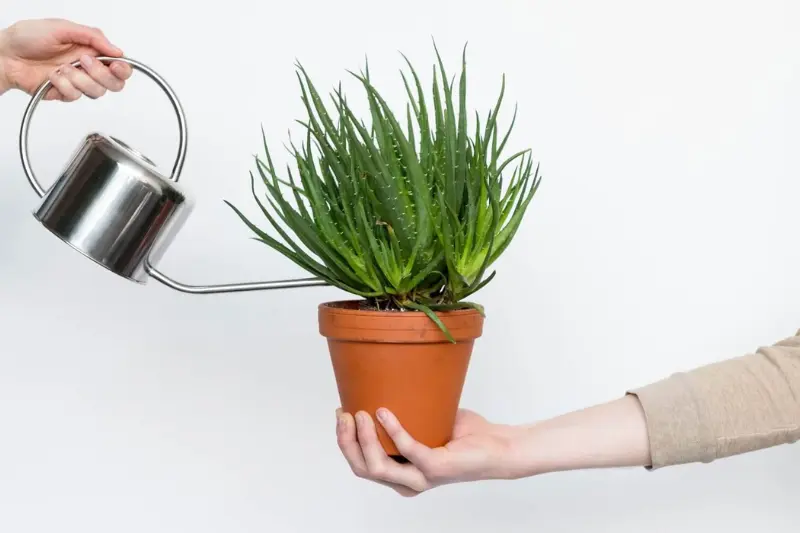
Water is essential for plant survival and healthy development.
Benefits of proper watering include:
- Promotes healthy root growth
- Supports photosynthesis
- Prevents wilting
- Encourages flowering and fruit production
- Helps transport nutrients throughout the plant
- Improves overall plant health
Applying the right Plant Watering Tips allows plants to grow stronger and live longer.
Understand Your Plant’s Water Needs
Different plants require different amounts of water.
Examples include:
- Succulents need very little water.
- Tropical plants prefer consistently moist soil.
- Flowering plants often require regular watering.
- Vegetables usually need more water during fruit production.
Research the specific needs of each plant before creating a watering schedule.
You may also like these posts:
Easy Plant Care: A Beginner’s Complete Guide
Small Garden Ideas for Beautiful Outdoor Spaces
Backyard Garden Ideas for Every Home
DIY Garden Ideas for Beautiful Outdoor Spaces
Check the Soil Before Watering
One of the best Plant Watering Tips is to avoid watering on a fixed schedule without checking the soil.
Simple methods include:
- Insert your finger about one inch into the soil.
- Use a soil moisture meter.
- Observe the soil’s appearance.
- Lift small pots to check their weight.
If the top layer feels dry, it’s usually time to water.
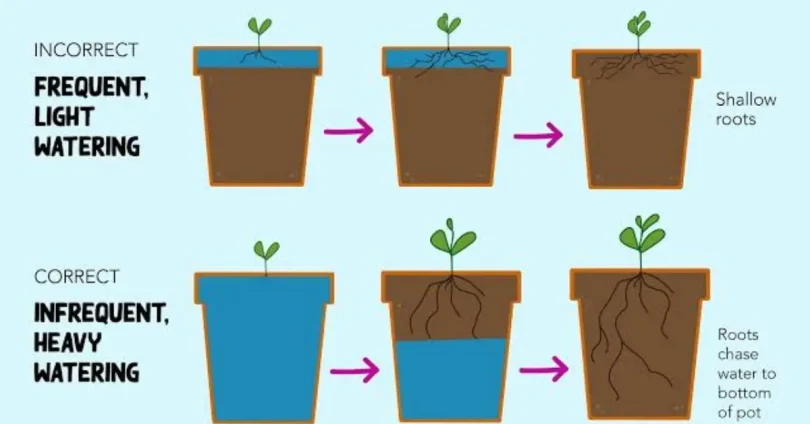
Water Deeply Instead of Frequently
Deep watering encourages roots to grow deeper into the soil.
Benefits include:
- Stronger root systems
- Better drought resistance
- Healthier plant growth
- Less frequent watering
Shallow watering often causes weak roots that remain close to the soil surface.
Water at the Right Time
The timing of watering affects plant health.
Early Morning
Morning is the best time because:
- Less water evaporates.
- Plants absorb moisture before temperatures rise.
- Leaves dry quickly, reducing disease risk.
Evening
Evening watering is acceptable if necessary, but avoid leaving foliage wet overnight.
Avoid Midday Watering
During hot afternoons, much of the water evaporates before reaching the roots.
Following this advice is one of the simplest Plant Watering Tips for healthier plants.
Water the Soil, Not the Leaves
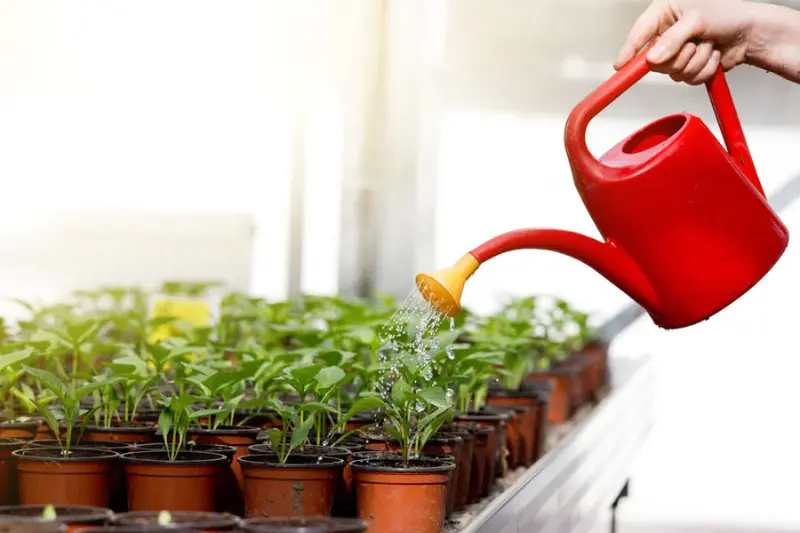
Direct water toward the base of the plant.
Benefits include:
- Reduces fungal diseases
- Prevents leaf burn
- Delivers moisture directly to roots
- Minimizes water waste
Leaves generally do not need frequent watering.
Adjust Watering by Season
Plants require different amounts of water throughout the year.
Spring
- Increase watering as plants begin active growth.
- Monitor new seedlings closely.
Summer
- Water more frequently during hot weather.
- Check soil daily for moisture.
Autumn
- Gradually reduce watering as temperatures cool.
Winter
- Most plants require significantly less water.
- Allow soil to dry more between watering sessions.
Seasonal adjustments are an important part of successful Plant Watering Tips.
Consider Soil Type
Soil greatly affects water retention.
Sandy Soil
- Drains quickly
- Requires more frequent watering
Clay Soil
- Holds water longer
- Needs less frequent watering
Loamy Soil
- Provides balanced drainage
- Ideal for most plants
Understanding your soil helps prevent overwatering or underwatering.
Choose Pots with Drainage Holes
Container plants should always have proper drainage.
Benefits include:
- Prevents root rot
- Removes excess water
- Improves oxygen flow to roots
- Supports healthier growth
Never allow pots to sit in standing water for long periods.
Mulch Helps Retain Moisture
Mulching reduces water loss from the soil.
Common mulch materials include:
- Bark chips
- Straw
- Compost
- Wood chips
- Pine needles
Mulch also suppresses weeds and improves soil quality over time.
Watch for Signs of Overwatering
Too much water can be just as harmful as too little.
Common symptoms include:
- Yellow leaves
- Soft stems
- Mushy roots
- Mold growth
- Foul-smelling soil
- Wilting despite wet soil
Reduce watering immediately if these signs appear.
Watch for Signs of Underwatering
Plants also show clear signs when they need more water.
Symptoms include:
- Dry soil
- Wilting leaves
- Brown leaf edges
- Slow growth
- Dropping flowers
- Crispy foliage
Regular monitoring helps prevent permanent damage.
Water Newly Planted Plants Carefully
New plants require extra attention.
Helpful tips include:
- Water immediately after planting.
- Keep the soil consistently moist during establishment.
- Reduce watering once roots become established.
Young plants are more vulnerable to drying out.
Best Watering Methods
Different methods suit different gardens.
Watering Can
Ideal for:
- Indoor plants
- Small gardens
- Seedlings
Garden Hose
Best for:
- Large flower beds
- Shrubs
- Trees
Drip Irrigation
Advantages include:
- Water-efficient
- Delivers moisture directly to roots
- Reduces evaporation
Soaker Hose
Excellent for:
- Vegetable gardens
- Long planting rows
- Raised beds
Choose the method that best fits your gardening needs.
Use the Right Type of Water
Most plants grow well with:
- Rainwater
- Tap water (if suitable)
- Filtered water
Allow chlorinated tap water to sit for several hours before watering sensitive plants if necessary.
Common Plant Watering Mistakes
Avoid these mistakes when following Plant Watering Tips:
- Watering every day without checking the soil.
- Ignoring seasonal changes.
- Using containers without drainage holes.
- Wetting leaves excessively.
- Watering too lightly.
- Forgetting newly planted flowers and shrubs.
Correct watering habits improve plant health significantly.
Helpful Tools for Watering Plants
Useful gardening tools include:
- Watering can
- Garden hose
- Drip irrigation system
- Soil moisture meter
- Spray bottle
- Rain gauge
- Hose nozzle
These tools make watering easier and more efficient.
Plant Watering Tips for Indoor Plants
Indoor plants often require less water than outdoor plants.
Remember to:
- Check soil before watering.
- Empty drainage trays.
- Reduce watering during winter.
- Avoid overwatering low-light plants.
Indoor conditions vary throughout the year.
Plant Watering Tips for Outdoor Plants
Outdoor plants are affected by weather.
Helpful practices include:
- Water deeply once or twice a week.
- Water early in the morning.
- Apply mulch around plants.
- Adjust watering after rainfall.
Weather conditions should always influence your watering schedule.
Frequently Asked Questions
How often should I water my plants?
Watering frequency depends on the plant type, soil, weather, and season. Always check the soil before watering instead of following a fixed schedule.
What is the best time of day to water plants?
Early morning is the best time because it reduces evaporation and allows plants to absorb moisture before the day’s heat.
How can I tell if I’m overwatering my plants?
Common signs include yellow leaves, soggy soil, root rot, mold growth, and wilting even when the soil is wet.
Is it better to water plants every day?
No. Most plants benefit from deep, less frequent watering rather than light daily watering, which encourages shallow roots.
Why are Plant Watering Tips important?
Following proper Plant Watering Tips helps prevent overwatering and underwatering, promotes healthy root growth, improves nutrient absorption, and keeps plants strong, vibrant, and productive throughout the year.
Conclusion
Following the right Plant Watering Tips is one of the most important steps in growing healthy indoor and outdoor plants. By understanding your plants’ individual needs, checking soil moisture regularly, watering deeply, and adjusting your routine throughout the seasons, you can prevent common problems such as root rot, wilting, and nutrient deficiencies.
Whether you’re caring for flowers, vegetables, shrubs, or houseplants, consistent and thoughtful watering helps them thrive. With patience and the practical advice in these Plant Watering Tips, you’ll enjoy stronger roots, greener foliage, and healthier plants all year long.