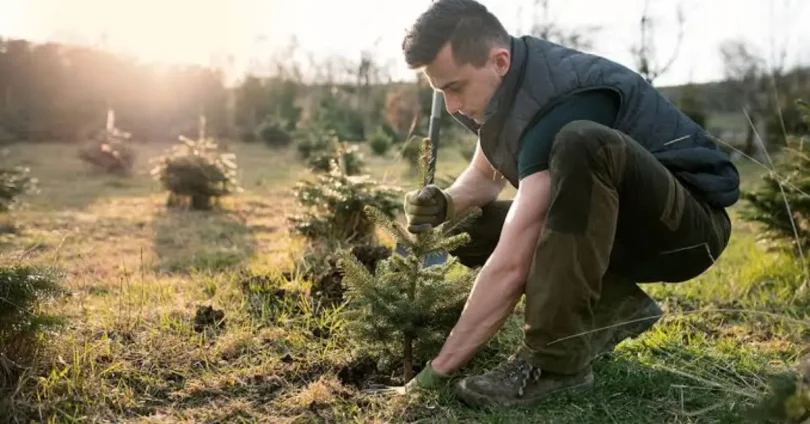

A thriving outdoor garden adds beauty, improves air quality, and creates a relaxing environment around your home. Whether you’re growing flowers, vegetables, shrubs, or ornamental trees, proper Outdoor Plant Care is essential for maintaining healthy plants throughout the year. Understanding your plants’ needs for sunlight, water, soil, nutrients, and seasonal maintenance helps them grow stronger and produce vibrant blooms or abundant harvests.
Many gardeners believe outdoor plants require little attention because they grow naturally. However, changing weather conditions, pests, diseases, and soil quality all affect plant health. Following the principles of Outdoor Plant Care ensures your plants receive the right care at every stage of growth.
This comprehensive guide covers everything you need to know about caring for outdoor plants, including watering techniques, soil preparation, fertilizing, pruning, pest management, and seasonal gardening tips.
Why Outdoor Plants Are Important
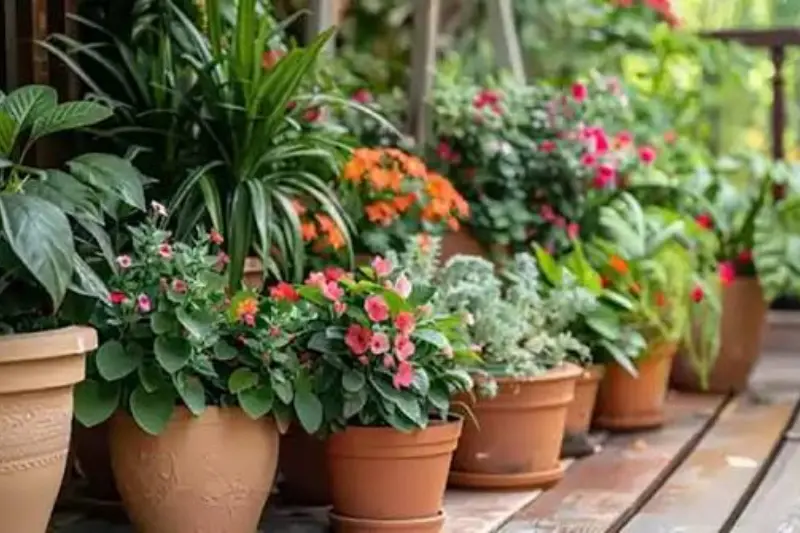
Outdoor plants offer numerous environmental and personal benefits.
Some advantages include:
- Improve air quality
- Enhance your home’s appearance
- Support birds, bees, and butterflies
- Reduce soil erosion
- Provide fresh fruits, vegetables, and herbs
- Create a peaceful outdoor environment
Practicing proper Outdoor Plant Care helps maximize these benefits while keeping your garden healthy.
Choosing the Right Outdoor Plants
Selecting plants suited to your climate is the first step toward gardening success.
Popular outdoor plants include:
- Roses
- Lavender
- Marigolds
- Hibiscus
- Bougainvillea
- Sunflowers
- Hydrangeas
- Boxwood shrubs
- Fruit trees
- Vegetable plants
Always consider your local climate, sunlight availability, and soil conditions before planting.
You may also like these posts:
Easy Plant Care: A Beginner’s Complete Guide
Small Garden Ideas for Beautiful Outdoor Spaces
Backyard Garden Ideas for Every Home
DIY Garden Ideas for Beautiful Outdoor Spaces
Understanding Sunlight Requirements
Sunlight plays a vital role in Outdoor Plant Care.
Full Sun
Plants that need at least six to eight hours of direct sunlight include:
- Roses
- Sunflowers
- Tomatoes
- Lavender
- Peppers
Partial Sun
Plants requiring four to six hours of sunlight include:
- Hydrangeas
- Begonias
- Lettuce
- Spinach
Shade
Shade-loving plants include:
- Ferns
- Hostas
- Impatiens
- Caladiums
Planting in the correct location encourages healthy growth.
Watering Outdoor Plants
Proper watering is one of the most important parts of Outdoor Plant Care.
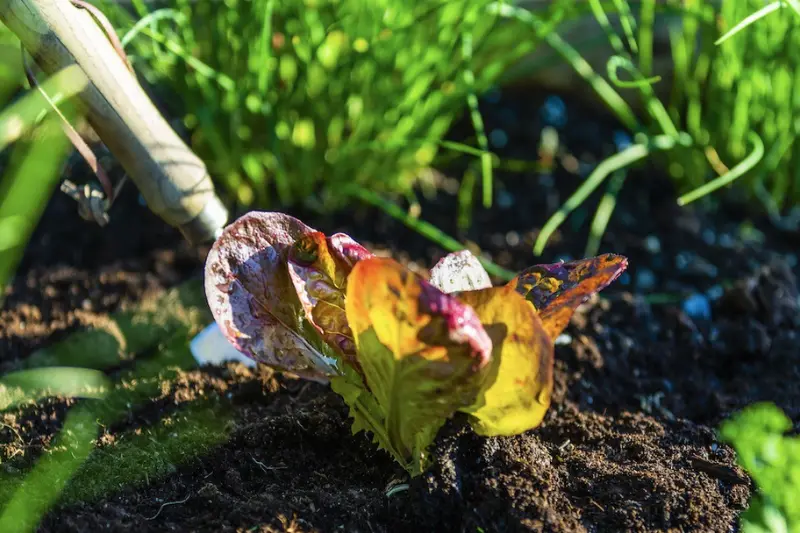
Best watering practices include:
- Water early in the morning.
- Water deeply rather than frequently.
- Avoid wetting the leaves whenever possible.
- Adjust watering during rainy weather.
- Use mulch to reduce moisture loss.
Deep watering encourages stronger root development.
Choosing the Right Soil
Healthy soil provides plants with nutrients and proper drainage.
Common soil types include:
Loamy Soil
Ideal for most garden plants because it balances drainage and moisture retention.
Sandy Soil
Drains quickly but may require more frequent watering and compost.
Clay Soil
Retains moisture well but often needs organic matter to improve drainage.
Testing your soil helps determine what amendments are needed.
Improve Soil with Organic Matter
Healthy soil leads to healthy plants.
Useful organic materials include:
- Compost
- Aged manure
- Leaf mold
- Coconut coir
- Garden compost
Adding organic matter improves soil structure and fertility.
Fertilizing Outdoor Plants
Plants need nutrients to grow, flower, and produce fruit.
Fertilizing tips include:
- Use balanced fertilizer during the growing season.
- Follow package instructions carefully.
- Apply fertilizer after watering.
- Reduce feeding during dormancy.
- Use compost whenever possible.
Over-fertilizing may damage roots and reduce flowering.
Mulching Benefits
Mulch protects both soil and plants.
Benefits include:
- Conserves soil moisture
- Reduces weeds
- Improves soil temperature
- Prevents erosion
- Adds organic matter as it breaks down
Organic mulch such as bark, straw, or compost is an excellent choice for most gardens.
Pruning and Deadheading
Regular pruning keeps plants healthy and attractive.
Benefits include:
- Encourages new growth
- Removes dead branches
- Improves airflow
- Promotes flowering
- Prevents disease spread
Deadheading spent flowers often encourages additional blooms.
Weed Control
Weeds compete with your plants for water and nutrients.
Effective weed management includes:
- Hand pulling
- Mulching
- Regular cultivation
- Landscape fabric
- Proper plant spacing
Removing weeds early prevents them from spreading.
Pest Management
Even with proper Outdoor Plant Care, pests may appear.
Common garden pests include:
- Aphids
- Caterpillars
- Whiteflies
- Spider mites
- Slugs
- Snails
Natural pest control methods include:
- Neem oil
- Insecticidal soap
- Beneficial insects
- Hand removal
- Healthy garden hygiene
Inspect plants regularly to catch problems early.
Preventing Plant Diseases
Outdoor plants can develop fungal and bacterial diseases.
Reduce the risk by:
- Watering at the base of plants
- Providing proper spacing
- Removing infected leaves
- Cleaning garden tools
- Improving air circulation
Healthy growing conditions reduce disease outbreaks.
Supporting Tall Plants
Some plants require extra support as they grow.
Examples include:
- Tomatoes
- Climbing roses
- Beans
- Cucumbers
- Sunflowers
Use stakes, cages, or trellises to prevent stems from bending or breaking.
Seasonal Outdoor Plant Care
Spring
- Prepare garden beds.
- Plant new flowers and vegetables.
- Fertilize actively growing plants.
- Apply fresh mulch.
Summer
- Water deeply during hot weather.
- Remove faded flowers.
- Monitor pests regularly.
- Harvest vegetables frequently.
Autumn
- Plant spring-flowering bulbs.
- Clean fallen leaves.
- Reduce fertilizer applications.
- Divide overcrowded perennials.
Winter
- Protect sensitive plants from frost.
- Reduce watering.
- Cover delicate shrubs if needed.
- Clean and store garden tools.
Seasonal care keeps plants healthy all year.
Essential Outdoor Gardening Tools
Every gardener should own:
- Watering hose or watering can
- Garden gloves
- Hand trowel
- Pruning shears
- Garden fork
- Rake
- Wheelbarrow
- Garden hoe
- Soil moisture meter
Having the right tools makes Outdoor Plant Care easier and more efficient.
Common Outdoor Plant Care Mistakes
Avoid these common gardening mistakes:
- Overwatering plants.
- Planting in the wrong location.
- Ignoring soil quality.
- Over-fertilizing.
- Skipping pruning.
- Allowing weeds to spread.
- Neglecting pest inspections.
Correcting these mistakes helps plants thrive.
Tips for Healthy Outdoor Plants
Follow these simple habits:
- Water consistently.
- Mulch garden beds.
- Feed plants appropriately.
- Prune regularly.
- Remove weeds promptly.
- Inspect for pests every week.
- Choose plants suited to your climate.
Consistency is the key to successful Outdoor Plant Care.
Frequently Asked Questions
How often should I water outdoor plants?
Most outdoor plants benefit from deep watering one to three times per week, depending on the weather, soil type, and plant variety
What is the best time to water outdoor plants?
Early morning is the best time because it reduces evaporation and allows plants to absorb moisture before the heat of the day.
Why are my outdoor plant leaves turning yellow?
Yellow leaves can result from overwatering, underwatering, poor drainage, nutrient deficiencies, pests, or disease.
How often should outdoor plants be fertilized?
Most outdoor plants should be fertilized every four to eight weeks during the active growing season, depending on the plant type and fertilizer use.
Why is Outdoor Plant Care important?
Proper Outdoor Plant Care promotes healthy growth, encourages flowering and fruit production, prevents pests and diseases, improves your garden’s appearance, and helps plants thrive throughout every season.
Conclusion
Proper Outdoor Plant Care is the foundation of a healthy, vibrant garden. By providing the right balance of sunlight, water, nutrients, and seasonal maintenance, you can enjoy beautiful flowers, productive vegetables, and lush greenery throughout the year.
Whether you’re a beginner or an experienced gardener, following these practical techniques will help your outdoor plants grow stronger, resist pests and diseases, and enhance the beauty of your outdoor space. With patience and regular care, your garden can flourish season after season.