
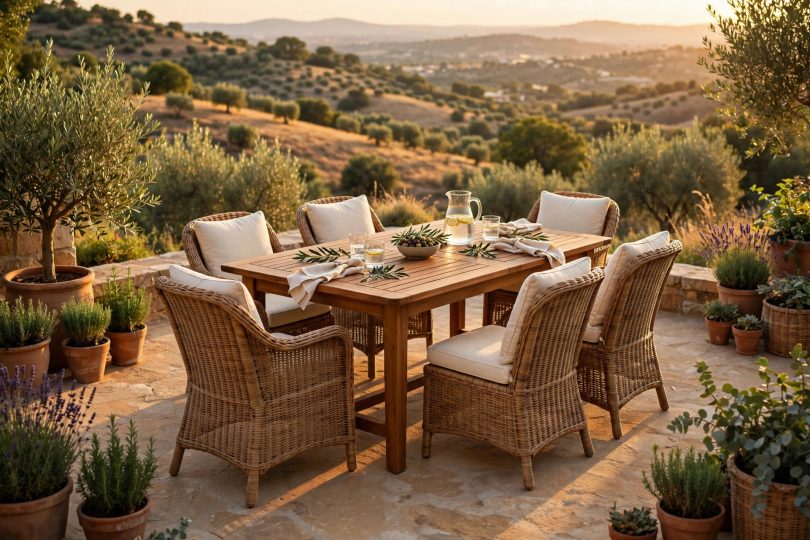

Outdoor furniture has a harder life than anything you buy for indoors. It faces baking sun, driving rain, frost and the occasional fallen branch, all while needing to look good and feel comfortable season after season. Choosing the best outdoor furniture is therefore less about following a trend and more about matching materials, construction and comfort to your climate and lifestyle. Buy well once, and a set can serve you beautifully for a decade. Buy on price alone, and you may be replacing rusted frames and cracked plastic within two summers. This guide to the best outdoor furniture explains the materials honestly, flags the construction details that matter, and helps you spend your budget where it counts.
Start With How You Will Actually Use It
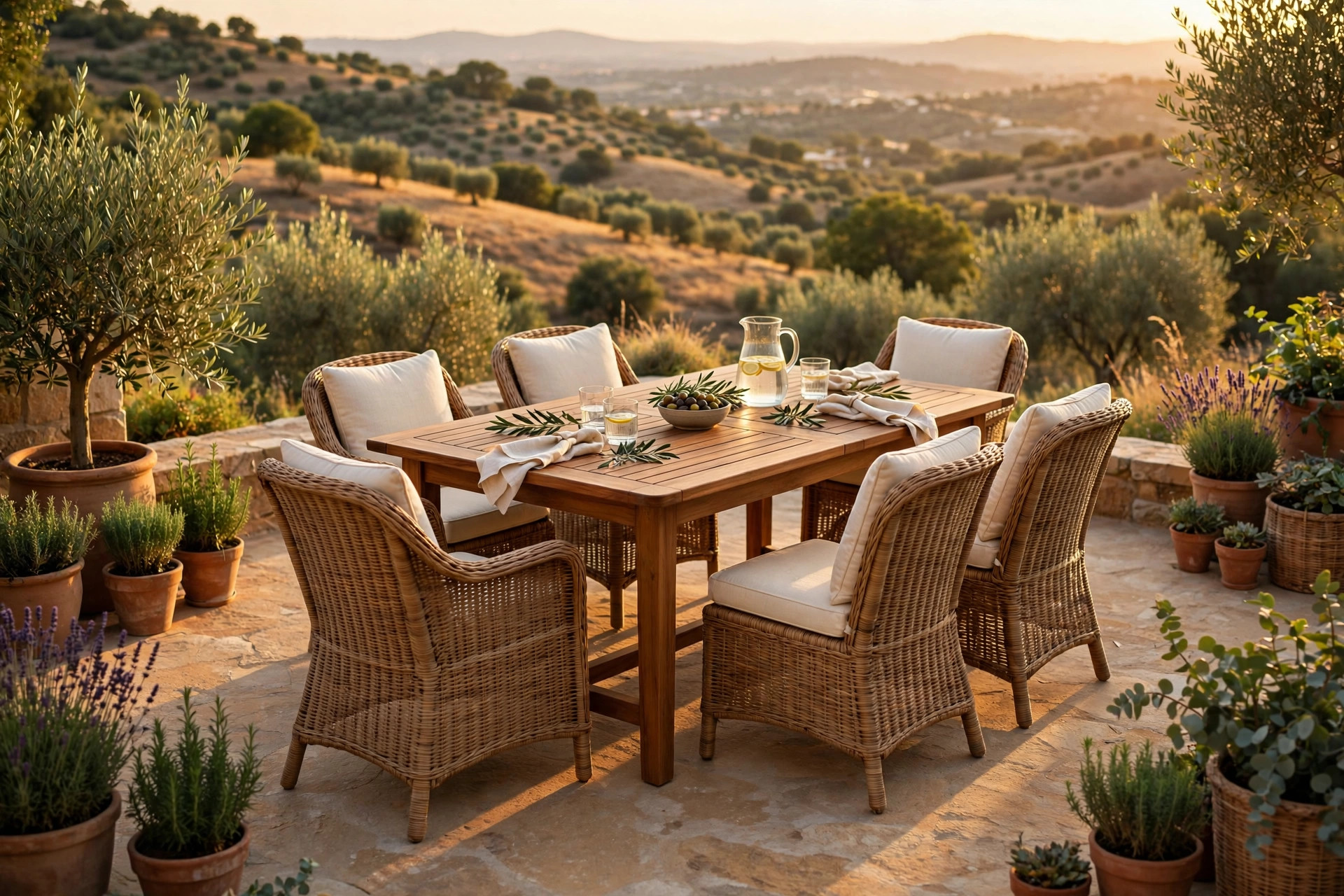
Before comparing materials, get clear about the job the furniture must do. A dining set for six needs sturdy chairs, a table with room for knees and serving dishes, and space to walk around it; allow roughly 60 centimetres of table edge per person. A lounging set is about deep seats, low tables and room to stretch out with a book. If your space must do both, modular seating that rearranges easily is worth the extra cost. Measure your patio or balcony carefully, and mark the footprint of any set you are considering with tape or chalk before ordering. Furniture that swamps a small terrace is one of the most common and most avoidable mistakes. Our furniture buying guide for every home covers measuring, budgeting and quality checks that apply indoors and out.
The Main Materials, Honestly Compared
Teak and Other Hardwoods
Teak is the classic choice for the best outdoor furniture, and for good reason. Its natural oils resist rot and insects, and it can be left outside all year. Left untreated, it weathers to an elegant silver-grey; oiled regularly, it keeps its warm honey colour. Quality teak is expensive but can last 25 years or more. Cheaper hardwoods such as acacia and eucalyptus look similar and cost less, but need more protection and typically have a shorter life.
Metal: Aluminium and Steel
Powder-coated aluminium is light, rust-proof and easy to move, which makes it ideal for balconies and smaller gardens. Steel is stronger and heavier, so it stays put in windy spots, but it must be properly coated; once the coating chips, rust follows. Wrought iron is the heavyweight classic: nearly indestructible, but it needs occasional repainting and is genuinely difficult to move.
Rattan, Wicker and Rope
Natural rattan belongs under cover, but modern synthetic rattan woven over an aluminium frame gives the same relaxed look with true all-weather performance. Check that the weave is UV-stabilised polyethylene rather than cheap PVC, which becomes brittle and cracks. Rope-detailed chairs and all-weather fabric loungers are newer options that look softer and more contemporary, and the best outdoor furniture ranges now combine them with teak or aluminium for a mixed-material look.
- Best for longevity: teak, powder-coated aluminium, quality synthetic rattan.
- Best for small spaces: aluminium and folding or stackable designs.
- Best value over ten years: mid-priced aluminium or acacia, cared for properly.
- Avoid outdoors: untreated softwood, cheap PVC weave, and any frame with visible thin welds.
Comfort, Cushions and Construction Details
Sit on furniture before you buy whenever you can, or at least check seat height and depth measurements against chairs you already find comfortable. Test the wobble: a quality frame feels rigid, with tight joints and no creaking. Look underneath furniture in the shop; neat welds, capped feet and stainless-steel fixings are the marks of pieces built to last.
Cushions deserve equal attention. Quick-dry foam wrapped in solution-dyed acrylic fabric resists fading and can survive a shower without going musty, while cheap foam and cotton covers will fade, sag and mildew within a season or two. Removable, washable covers make life much easier. Plan storage as part of the purchase: a deck box or indoor space for cushions in winter will double their life. When you are comparing sets and accessories side by side, our garden product guide is a handy companion for the wider shopping list.
Sets, Separate Pieces and a Sensible Budget
Complete matching sets look neat in a catalogue, but buying pieces separately often gives you a better result. A high-quality table, which takes the most weather and the most use, can be paired with simpler chairs that are cheap to replace or update. Mixing materials, such as a teak table with aluminium or rope chairs, also gives a garden a more designed, individual feel than an identical suite. If you do buy a set, confirm that every piece is sold separately afterwards; being able to replace one broken chair in five years’ time is a real advantage.
Budget in this order: frame first, cushions second, accessories last. A sound frame in a good material can be refreshed with new cushions years later, while a poor frame cannot be rescued by pretty fabric. Watch for end-of-season sales, when retailers discount quality ranges heavily, and consider display models with minor cosmetic marks that disappear outdoors anyway. Remember to include covers, storage and any delivery charges in the total so there are no surprises. Spending thoughtfully at this stage is what separates a bargain from an expensive mistake.
Care, Covers and Getting Value for Money
Even the best outdoor furniture lasts longer with basic care. Brush off dirt regularly, wash frames with mild soapy water each spring, and use breathable covers rather than plastic sheeting, which traps condensation. Wooden furniture appreciates an annual clean and, if you like the colour, a coat of oil. Store cushions dry, and bring lightweight pieces under cover in storms.
Finally, think in cost per year rather than ticket price. A well-made set that lasts fifteen years is far cheaper than three budget sets that each fail in three. Buy the best frame you can afford, choose classic shapes over passing fads, and your garden furniture will reward you every sunny day for years to come. Explore more comparisons in our Buying Guides section.





[…] and a TV fixed to the wall all free up floor area. When shopping, the measuring discipline in our best outdoor furniture buying guide applies indoors just as well: check dimensions against your actual space, allow walking routes, and […]