
Growing your own herbs is the easiest way to make everyday cooking taste better, and it costs a fraction of buying fresh bunches that wilt in the fridge. You do not need a vegetable plot or years of experience. A few pots on a sunny step, a window box or one raised bed is enough to start. These herb garden ideas will help you choose the right herbs, plant them well and keep them producing generous harvests all season long.
Start With Herbs You Actually Cook With
The best herb garden is a personal one. Walk through your weekly meals and list the flavours you reach for most. Pasta and pizza lovers should start with basil, oregano and flat-leaf parsley. If you cook curries and stir-fries, add coriander, Thai basil and mint. Sunday roasts call for rosemary, thyme and sage. Growing what you use means every harvest feels like a win, and the plants earn their space.
Buy young plants rather than seed for your first attempt with slow growers such as rosemary and thyme; they establish faster and you will be picking within weeks. Fast, cheap seeds are fine for coriander, dill and basil, which grow quickly and taste best picked young.
Know the Two Families of Herbs
Most culinary herbs fall into two groups with opposite tastes in soil and water, and mixing them up is the main reason home herb gardens disappoint. Mediterranean herbs — rosemary, thyme, sage, oregano and lavender — come from hot, dry hillsides. They want sharp drainage, lean soil and as much sun as you can give them. Too much rich compost and water makes them soft, leggy and bland.
Leafy herbs — basil, parsley, coriander, chives and mint — prefer richer soil and steady moisture. They bolt to seed quickly in drought and heat stress. Keep the two families in separate pots or separate ends of a bed, and both will thrive. Mint, famously, should always have a pot of its own: its roots spread aggressively and will take over any bed within a season.
Sun, Soil and Spacing Basics
Nearly all herbs need at least six hours of direct sun a day to develop strong flavour; oils that make herbs taste good are produced in sunlight. A south or west-facing spot is ideal, and a bright windowsill works for a small indoor collection.
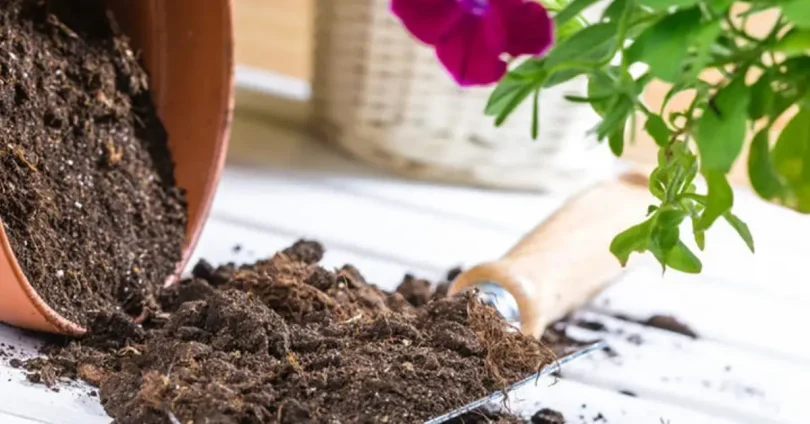
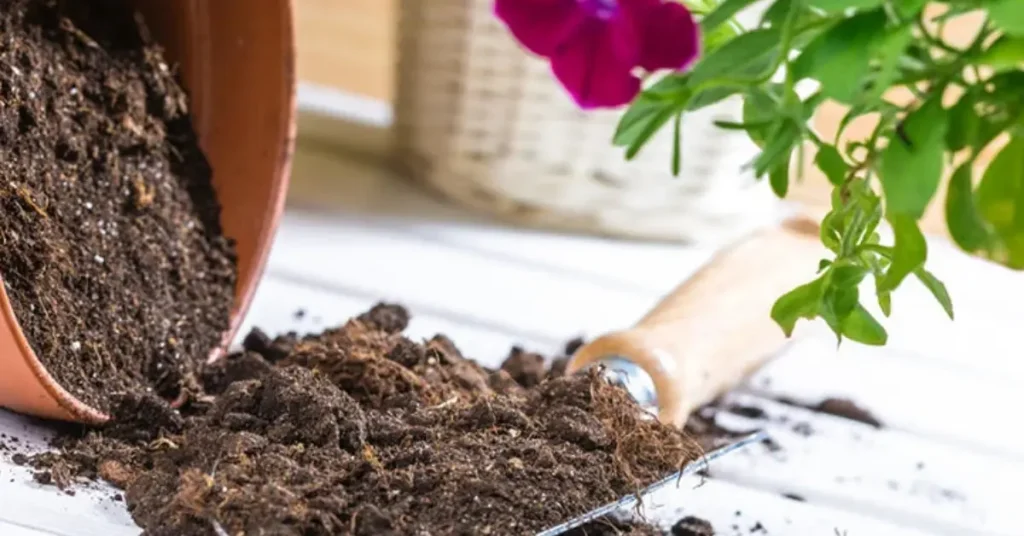
Use free-draining potting mix for pots and improve heavy garden soil with compost and grit before planting in the ground. Give each plant room: crowding herbs invites mildew and weak growth. A spacing of 20 to 30 centimetres between most plants is a good rule, and it is why a single large pot often beats several tiny ones.
Harvest Little and Often
Regular picking is not just reward, it is maintenance. Pinching out the growing tips of basil and mint encourages bushy side growth and delays flowering, which is when leaves turn bitter. Never strip more than a third of a plant at once, and always cut just above a pair of leaves so the plant branches from that point.
Harvest in the morning, after dew dries but before the midday heat, when flavour oils are strongest. Perennial herbs such as chives and oregano can be cut hard several times a year and will regrow. Annuals like coriander are best sown in small batches every few weeks so you always have young leaves coming.
Easy Ways to Fit Herbs Anywhere
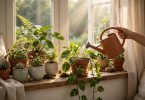
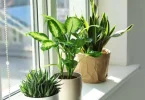
No garden is required for any of these herb garden ideas. A kitchen windowsill holds three or four small pots happily. A strawberry planter or stacked tower suits a balcony corner. Hanging baskets by a sunny door keep herbs off the ground and close to the kitchen. If you already grow houseplants, the habits from our indoor plant care tips for beginners — checking soil moisture before watering and rotating pots for even light — transfer directly to indoor herbs. Outdoors, our balcony garden ideas show how herbs can anchor a whole small-space planting scheme.
Preserve Surplus Harvests
A good herb garden produces more than you can use fresh in midsummer. Freeze chopped soft herbs in ice cube trays topped with olive oil for instant flavour starters. Dry sturdy herbs such as thyme, oregano and rosemary in small bunches in a warm, airy spot, then store them in jars away from light. Basil is better turned into pesto and frozen. Preserving the surplus means your herb garden ideas keep paying off in the middle of winter.
Common Problems and Quick Fixes
Most herb troubles are easy to diagnose once you know the signs. Yellowing lower leaves usually mean overwatering or tired soil; let the top of the mix dry between waterings and feed lightly. Leggy, stretched growth means not enough light — move the pot to a sunnier spot and pinch the tips to force branching. Aphids gather on soft new growth in spring; a strong jet of water or a wipe with soapy water removes them without chemicals, which matters on plants you eat.
Basil is the herb beginners most often kill, and the cause is usually cold or wet feet. Plant it out only when nights are warm, water it in the morning rather than the evening, and harvest from the top so it bushes out instead of running to seed. Coriander bolting in hot weather is normal rather than a failure: let one plant set seed for the spice, and keep sowing fresh batches in light shade through summer. Parsley is slow to germinate — up to three weeks — so mark the pot and be patient rather than digging it up to check.
Keep a Simple Rotation Through the Year
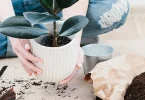
Perennials such as rosemary, thyme, sage and chives will live in the same pots for years with an annual spring refresh of the top layer of compost and a trim after flowering. Annuals and biennials — basil, coriander, dill and parsley — are replaced each season, which makes them perfect for filling gaps. Planning this small rotation in early spring, even as a list on the fridge, means your herb garden never has an empty, disappointing month.
Conclusion
A home herb garden succeeds when it matches your cooking, your sunlight and your space. Plant the herbs you love, keep the dry-loving and moisture-loving families apart, harvest little and often, and sow fast herbs in succession. Start with three or four pots this weekend and you will be seasoning dinner with your own harvest within the month — and planning a bigger herb garden next year.