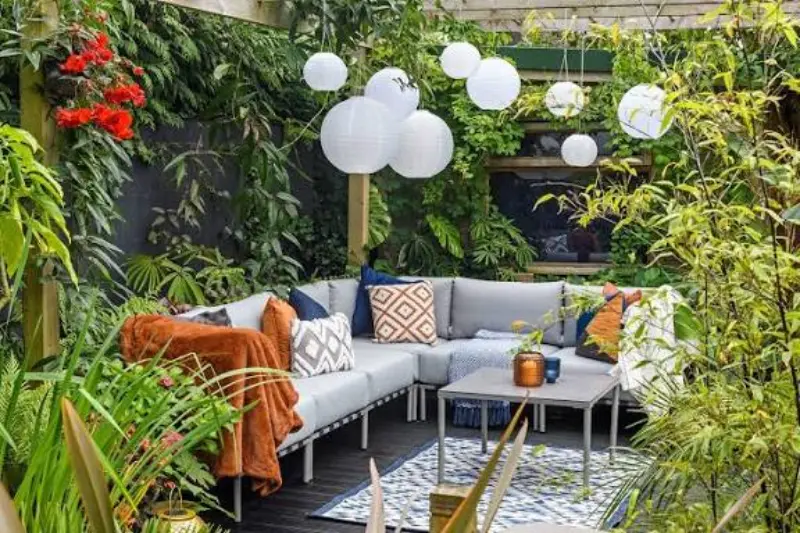
You do not need a big garden to grow beautiful, productive plants. A sunny windowsill, a narrow balcony or a paved courtyard can all become a thriving green space with good container gardening ideas and a little planning. Pots give you control that open ground never does: you choose the soil, you decide how much sun each plant gets, and you can move everything around when the seasons change. This guide walks through the container gardening ideas that make the biggest difference in small spaces, from choosing pots to keeping plants fed and watered.
Start With the Right Pots
Every successful container garden starts with the container itself. The most important feature is drainage: a pot without drainage holes will hold water around the roots and quietly rot almost any plant you put in it. If a decorative pot has no holes, either drill them or keep the plant in a plain nursery pot inside it and empty any collected water after watering.
Size matters more than looks. Small pots dry out fast in summer and limit root growth, so choose the largest pots your space and budget allow. A deep pot suits tomatoes, peppers and small shrubs, while wide, shallow bowls work well for herbs and salad leaves. Material is a trade-off too. Terracotta looks classic and breathes well, but it dries quickly and can crack in frost. Plastic is light and holds moisture longer, which helps on hot balconies. Fabric grow bags are cheap, airy and brilliant for potatoes and other vegetables.
Use Proper Potting Mix, Not Garden Soil
One of the most common beginner mistakes is filling pots with soil dug from the garden. Garden soil compacts in containers, drains poorly and often carries weed seeds and disease. A good-quality multipurpose or container potting mix is lighter, drains freely and holds just enough moisture for roots to breathe.
For thirsty plants in hot spots, mix in some water-retaining granules or a handful of perlite to improve the balance of air and moisture. Mediterranean herbs such as rosemary, thyme and lavender prefer the opposite: a gritty, free-draining mix with added sharp sand or fine gravel. Matching the mix to the plant is one of those quiet container gardening ideas that prevents most problems before they start.
Group Pots for Impact and Easier Care
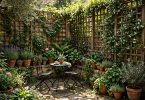
A single pot on a patio can look lost. Grouping pots in clusters of three or five, with varied heights and leaf shapes, creates the lush, layered look of a much bigger garden. Place tall plants at the back, medium plants in the middle and trailing plants at the front so they spill over the edges. Repeating the same pot style or colour across the group keeps it looking deliberate rather than random.
Grouping is practical as well as pretty. Plants clustered together shade each other’s roots, lose less moisture to wind and are faster to water. If you are short on ground space, think vertically: wall planters, railing boxes, hanging baskets and tiered stands all add growing room without taking floor space. Our guide to small garden ideas that make tiny outdoor spaces feel bigger has more layout tricks that pair well with containers.
Water Little and Often
Containers dry out far faster than borders, especially in wind and summer heat. In hot weather, small pots may need watering every day, sometimes twice. The reliable test is your finger: push it two centimetres into the mix. If it feels dry at that depth, water. If it is still moist, wait.
Water deeply until it runs from the drainage holes, and do it in the morning or evening rather than in midday sun. Saucers under pots catch runoff and protect surfaces, but empty them after heavy rain so roots are not sitting in water. For holidays, self-watering pots, drip irrigation kits or a simple bottle reservoir can keep plants alive while you are away. Many of the same principles in our indoor plant care tips for beginners apply outdoors too, because roots in pots live by the same rules wherever the pot sits.
Feed Regularly and Refresh Each Season
Potting mix contains only a limited supply of nutrients, and frequent watering washes them away. From spring to late summer, feed flowering and fruiting plants with a liquid fertiliser every week or two, following the label strength. Slow-release granules mixed into the mix at planting time are an easy alternative for busy gardeners.
At the start of each spring, scrape off the top few centimetres of old mix and replace it with fresh compost. Perennials that have outgrown their pots should be moved up one pot size, and tired annual displays can simply be emptied, refreshed and replanted for the new season.
Good Plants to Begin With
If you are new to growing in pots, start with forgiving plants that give quick rewards. Basil, mint, chives and parsley thrive in pots near the kitchen door. Geraniums, petunias and marigolds flower for months with basic care. Chillies and cherry tomatoes are productive in a sunny spot, and strawberries do beautifully in hanging baskets. For structure, a small olive, bay or lavender in a statement pot gives year-round presence; our balcony garden ideas for turning a small balcony into a green retreat show how to combine these into a space you will actually use.
Plan for Seasons and Succession
A container garden looks best when you plan beyond the current month. Spring bulbs give way to summer bedding, which can be replaced by autumn pansies, ornamental kale and winter heather, so pots earn their place all year. When one plant finishes, have the next one ready in a nursery pot to drop into the gap rather than leaving bare soil for weeks.
Also think about weight and weather before you fill very large pots: a saturated 60-litre container is nearly impossible to move, so position it first and fill it in place. In exposed spots, group pots against a wall or fence to shelter them from wind, and raise them on pot feet in winter so drainage holes stay clear and frost damage to both roots and terracotta is reduced.
Conclusion
Small spaces are not a limitation; they are an invitation to garden more cleverly. Choose pots with drainage, use proper potting mix, group containers for impact, water attentively and feed through the season. Start with a few easy plants, learn what your light and weather do to them, and add more as your confidence grows. With these container gardening ideas in place, even the smallest balcony or courtyard can stay green, colourful and productive all year round.