
Houseplants are one of the easiest ways to bring nature indoors while improving air quality and creating a calm, inviting atmosphere. Whether you own a single succulent or a home filled with tropical greenery, following the right Houseplant Care Tips can help your plants thrive year-round. Healthy houseplants not only beautify your living space but also contribute to a more relaxing and productive environment.
Many people believe houseplants are difficult to maintain, but most indoor plants require only a few basic care practices. Understanding their needs for light, water, humidity, soil, and nutrients is the key to long-lasting success. By applying these Houseplant Care Tips, you can prevent common problems such as yellow leaves, root rot, pests, and slow growth while enjoying lush, vibrant plants.
This complete guide explains everything you need to know about caring for houseplants, from selecting the right location to watering schedules, fertilizing, repotting, and seasonal maintenance.
Why Houseplants Are Worth Growing
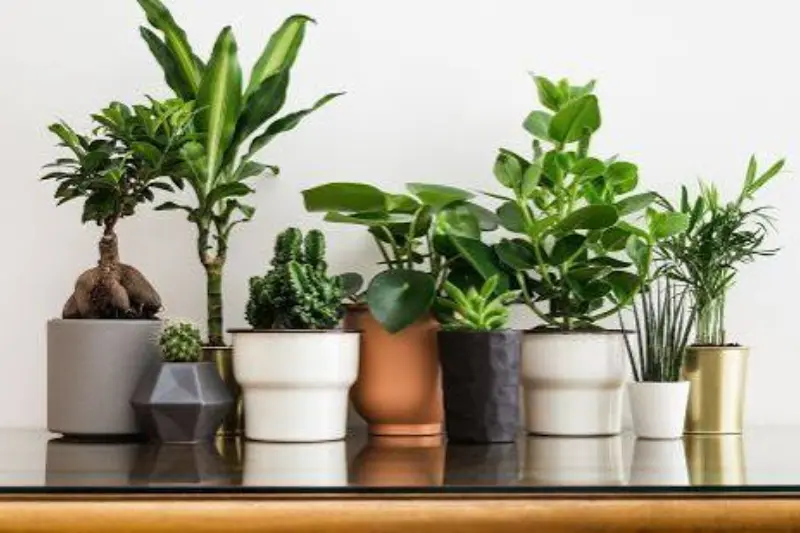
Houseplants offer both decorative and health benefits.
Some advantages include:
- Improve indoor air quality
- Enhance home décor
- Reduce stress and anxiety
- Increase humidity indoors
- Boost concentration and productivity
- Create a peaceful living environment
Following proper Houseplant Care Tips helps your plants remain healthy while maximizing these benefits.
Choose the Right Houseplants
Selecting plants that match your home’s environment makes care much easier.
Popular beginner-friendly houseplants include:
- Snake Plant
- Pothos
- Spider Plant
- Peace Lily
- ZZ Plant
- Rubber Plant
- Aloe Vera
- Chinese Evergreen
- Philodendron
- Monstera
These plants are known for being relatively low maintenance.
Provide the Right Amount of Light
Light is one of the most important aspects of Houseplant Care Tips.
Bright Direct Light
Plants that enjoy direct sunlight include:
- Cacti
- Succulents
- Aloe Vera
- Jade Plant
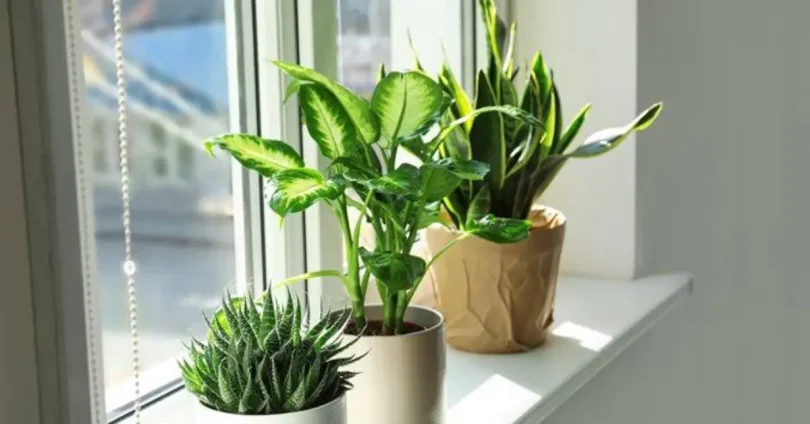
Place them near south-facing windows where they receive several hours of sunlight.
Bright Indirect Light
Many popular houseplants prefer filtered sunlight.
Examples include:
- Monstera
- Pothos
- Peace Lily
- Philodendron
- Rubber Plant
Bright indirect light encourages healthy foliage without scorching leaves.
Low-Light Conditions
Some plants tolerate lower light levels.
These include:
- Snake Plant
- ZZ Plant
- Cast Iron Plant
While they survive in low light, they still grow best with some natural daylight.
You may also like these posts:
Indoor Plant Care: Complete Beginner’s Guide
Outdoor Plant Care: Complete Garden Guide
Plant Watering Tips for Healthy Growth
Plant Care Guide: Grow Healthy Plants Easily
Water Your Houseplants Properly
One of the most valuable Houseplant Care Tips is learning when to water instead of following a strict schedule.
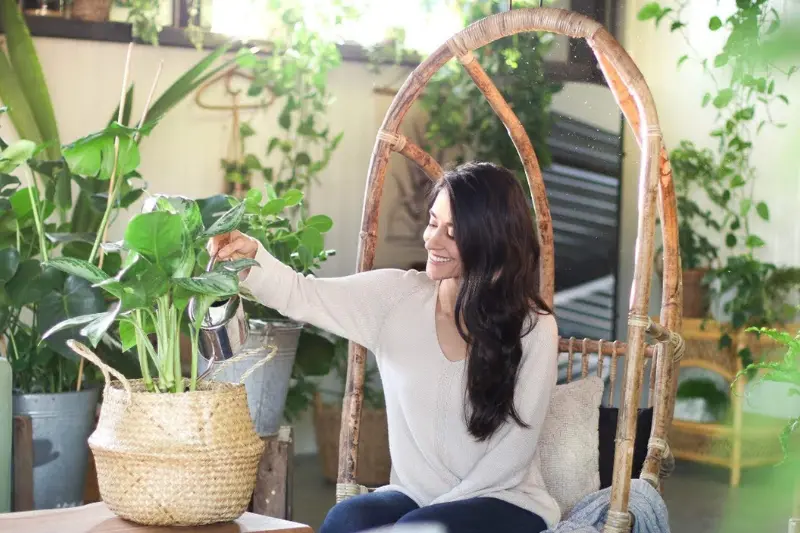
Helpful watering practices include:
- Check the top inch of soil before watering.
- Water only when the soil feels dry.
- Empty excess water from saucers.
- Use room-temperature water.
- Reduce watering during winter.
Overwatering is one of the leading causes of houseplant failure.
Choose the Right Soil
Healthy soil supports strong root growth.
Common options include:
Standard Potting Mix
Suitable for most indoor plants.
Succulent and Cactus Mix
Provides excellent drainage.
Orchid Mix
Offers better airflow for orchid roots.
Using the correct soil prevents waterlogging and root diseases.
Use Pots with Drainage Holes
Proper drainage is essential.
Benefits include:
- Prevents root rot
- Removes excess moisture
- Improves oxygen flow to roots
- Supports healthier growth
Avoid decorative containers without drainage unless you use an inner nursery pot.
Maintain Proper Humidity
Many tropical plants prefer moderate to high humidity.
Ways to increase humidity include:
- Using a humidifier
- Grouping plants together
- Placing pebble trays with water beneath pots
- Keeping plants away from heating vents
Humidity plays an important role in successful Houseplant Care Tips.
Fertilize During the Growing Season
Plants require nutrients for continuous growth.
Best practices include:
- Fertilize every four to six weeks during spring and summer.
- Use a balanced liquid fertilizer.
- Follow the recommended dosage.
- Reduce feeding during autumn and winter.
Too much fertilizer can damage roots and leaves.
Clean Houseplant Leaves
Dust blocks sunlight and reduces photosynthesis.
To clean leaves:
- Wipe with a soft damp cloth.
- Support large leaves while cleaning.
- Remove dead or damaged foliage.
Clean leaves help plants absorb more light.
Prune Regularly
Pruning improves plant health and appearance.
Benefits include:
- Encourages new growth
- Removes damaged leaves
- Improves airflow
- Maintains shape
- Prevents disease spread
Always use clean, sharp scissors or pruning shears.
Repot When Necessary
Houseplants eventually outgrow their containers.
Signs it’s time to repot include:
- Roots emerging from drainage holes
- Slow growth
- Soil drying very quickly
- Root-bound plants
Choose a pot only one or two inches larger than the current one.
Protect Houseplants from Pests
Even healthy houseplants may develop pest problems.
Common indoor pests include:
- Spider mites
- Mealybugs
- Fungus gnats
- Scale insects
- Aphids
Control methods include:
- Neem oil
- Insecticidal soap
- Regular inspections
- Isolating infected plants
Early treatment prevents larger infestations.
Prevent Common Houseplant Problems
Following proper Houseplant Care Tips helps prevent many common issues.
Yellow Leaves
Possible causes:
- Overwatering
- Poor drainage
- Nutrient deficiencies
Brown Leaf Tips
Often caused by:
- Low humidity
- Underwatering
- Salt buildup
Drooping Leaves
May indicate:
- Water stress
- Temperature changes
- Root damage
Slow Growth
Possible reasons include:
- Insufficient light
- Lack of nutrients
- Root-bound conditions
Observe your plants regularly to catch problems early.
Adjust Care by Season
Spring
- Resume fertilizing.
- Increase watering gradually.
- Repot if needed.
Summer
- Monitor soil moisture frequently.
- Protect plants from harsh afternoon sunlight.
Autumn
- Reduce fertilizer applications.
- Begin watering less often.
Winter
- Water sparingly.
- Increase humidity if indoor air becomes dry.
- Keep plants away from cold drafts.
Seasonal adjustments keep houseplants healthy year-round.
Essential Houseplant Care Tools
Every indoor gardener should have:
- Watering can
- Spray bottle
- Moisture meter
- Pruning shears
- Gardening gloves
- Plant fertilizer
- Soft microfiber cloth
These tools make plant care easier and more effective.
Common Houseplant Care Mistakes
Avoid these common mistakes:
- Overwatering plants.
- Using pots without drainage.
- Ignoring lighting needs.
- Over-fertilizing.
- Neglecting pest inspections.
- Placing plants near heating or cooling vents.
- Forgetting to repot root-bound plants.
Correcting these mistakes greatly improves plant health.
Tips for Long-Lasting Healthy Houseplants
Follow these simple habits:
- Rotate plants every few weeks for even growth.
- Inspect leaves regularly.
- Remove dead foliage promptly.
- Water according to each plant’s needs.
- Clean leaves monthly.
- Monitor humidity throughout the year.
- Learn the care requirements of each plant species.
Consistency is the secret to successful Houseplant Care Tips.
Why Proper Houseplant Care Matters
Healthy houseplants provide lasting benefits.
Advantages include:
- Cleaner indoor air
- Improved mood
- Enhanced home décor
- Better humidity
- Reduced stress
- Greater satisfaction from gardening
Regular maintenance keeps your indoor plants looking their best.
Frequently Asked Questions
How often should I water my houseplants?
Water when the top inch of soil feels dry. The exact frequency depends on the plant species, pot size, humidity, and season.
What is the best light for houseplants?
Most houseplants thrive in bright, indirect light, while succulents and cacti prefer several hours of direct sunlight.
Why are my houseplant leaves turning yellow?
Yellow leaves are commonly caused by overwatering, poor drainage, insufficient light, or nutrient deficiencies.
How often should I fertilize houseplants?
Most houseplants benefit from fertilizing every four to six weeks during spring and summer, with little or no fertilizer during winter.
5. Why are Houseplant Care Tips important?
Following proper Houseplant Care Tips helps prevent common plant problems, promotes healthy growth, improves indoor air quality, and ensures your houseplants remain vibrant, attractive, and healthy throughout the year.
Conclusion
Following the right Houseplant Care Tips is the key to growing healthy, beautiful indoor plants. By providing the correct balance of light, water, humidity, nutrients, and routine maintenance, you can prevent common problems and encourage vigorous growth throughout the year.
Whether you’re a beginner with your first houseplant or an experienced indoor gardener, these Houseplant Care Tips will help you create a thriving indoor garden filled with lush greenery and vibrant foliage. With patience and consistent care, your houseplants will continue to enhance your home for many years.