
Plants bring life, color, and freshness to any environment. Whether you’re growing indoor houseplants, outdoor flowers, vegetables, herbs, or ornamental shrubs, proper Plant Care Guide practices are essential for maintaining healthy, vibrant plants. Every plant has unique needs, but understanding the basics of watering, sunlight, soil, nutrients, and maintenance will help almost any plant thrive.
Many beginners struggle because they either overwater their plants, provide the wrong amount of sunlight, or neglect regular maintenance. Fortunately, successful gardening doesn’t require years of experience. By following this comprehensive Plant Care Guide, you’ll learn how to care for plants throughout every stage of their growth and create a thriving garden or indoor plant collection.
This guide covers everything from selecting healthy plants to watering, fertilizing, pruning, repotting, pest control, and seasonal care.
Why Plant Care Is Important
Proper plant care provides numerous benefits beyond beautiful greenery.
Benefits include:
- Promotes healthy growth
- Encourages flowering and fruit production
- Prevents diseases
- Strengthens root systems
- Improves indoor and outdoor air quality
- Extends the lifespan of plants
Following a reliable Plant Care Guide helps plants stay healthy while reducing common gardening problems.
Choose the Right Plants
The first step toward successful gardening is selecting plants that suit your environment.
Popular indoor plants include:
- Snake Plant
- Pothos
- Peace Lily
- Spider Plant
- ZZ Plant
- Rubber Plant
Popular outdoor plants include:
- Roses
- Lavender
- Marigolds
- Hibiscus
- Hydrangeas
- Bougainvillea
Choose plants based on your local climate, available space, and maintenance preferences.
You may also like these posts:
Easy Plant Care: A Beginner’s Complete Guide
Small Garden Ideas for Beautiful Outdoor Spaces
Backyard Garden Ideas for Every Home
DIY Garden Ideas for Beautiful Outdoor Spaces
Understand Sunlight Requirements
Light is one of the most important parts of any Plant Care Guide.
Full Sun
Plants requiring six to eight hours of direct sunlight include:
- Roses
- Tomatoes
- Sunflowers
- Lavender
- Cacti
Partial Sun
Plants needing four to six hours of sunlight include:
- Hydrangeas
- Lettuce
- Spinach
- Begonias
Shade
Shade-loving plants include:
- Ferns
- Hostas
- Caladiums
- Impatiens
Always place plants where they receive the correct amount of sunlight.
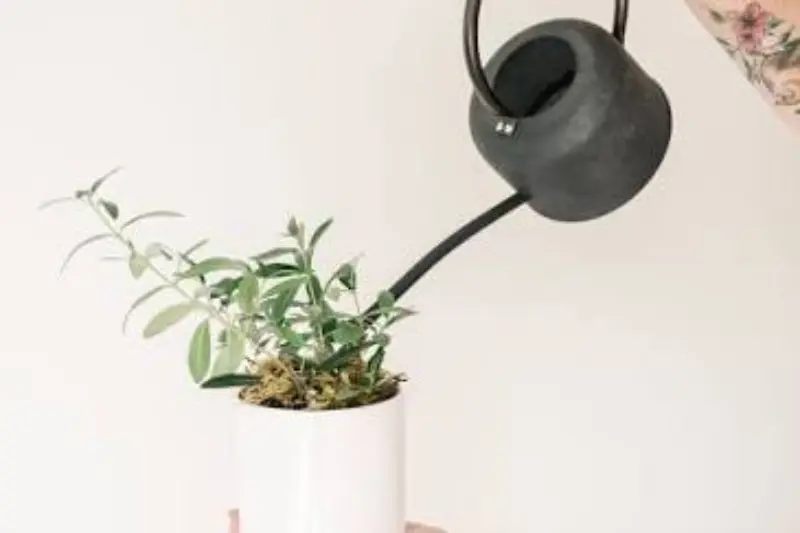
Water Plants Properly
Watering is one of the most common challenges for gardeners.
Helpful watering tips include:
- Check the soil before watering.
- Water deeply instead of frequently.
- Water early in the morning.
- Avoid overwatering.
- Reduce watering during winter.
Different plants have different water requirements, so avoid following one watering schedule for every plant.
Choose the Right Soil
Healthy soil supports strong roots and steady growth.
Common soil types include:
Loamy Soil
Ideal for most plants because it balances drainage and moisture retention.
Sandy Soil
Drains quickly and works well for drought-tolerant plants.
Clay Soil
Retains water but often needs compost to improve drainage.
Using high-quality soil improves plant health significantly.
Select Suitable Pots and Containers
Container-grown plants require proper drainage.
Choose pots with:
- Drainage holes
- Appropriate size
- Durable construction
- Stable base
Common materials include:
- Terracotta
- Ceramic
- Plastic
- Clay
Proper containers reduce the risk of root rot.
Fertilize for Healthy Growth
Plants require nutrients for healthy development.
Important fertilizing tips:
- Use balanced fertilizer.
- Feed during the growing season.
- Follow product instructions.
- Avoid excessive fertilizer.
- Add compost whenever possible.
Healthy nutrition encourages stronger roots, greener leaves, and more flowers.
Maintain Proper Humidity
Humidity is especially important for many tropical houseplants.
Ways to increase humidity include:
- Using a humidifier
- Grouping plants together
- Placing water trays nearby
- Keeping plants away from heating vents
Not all plants require high humidity, so research your plant species.
Prune and Trim Regularly
Pruning encourages healthy growth.
Benefits include:
- Removes dead branches
- Improves airflow
- Encourages flowering
- Prevents disease
- Maintains attractive shape
Always use clean, sharp pruning tools.
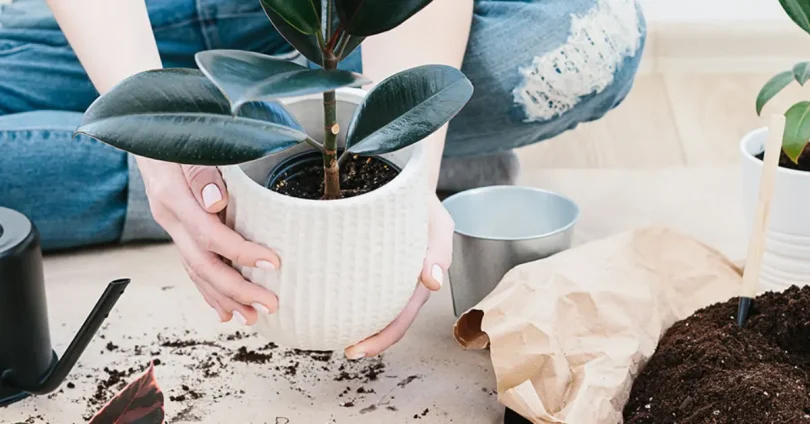
Repot Plants When Needed
Plants eventually outgrow their containers.
Signs it’s time to repot include:
- Roots growing through drainage holes
- Slow growth
- Soil drying very quickly
- Root-bound appearance
Repot into a container only slightly larger than the current one.
Protect Plants from Pests
Even healthy plants can attract pests.
Common pests include:
- Aphids
- Spider mites
- Mealybugs
- Whiteflies
- Scale insects
- Fungus gnats
Natural treatments include:
- Neem oil
- Insecticidal soap
- Beneficial insects
- Hand removal
Regular inspections help catch infestations early.
Prevent Plant Diseases
Healthy growing conditions reduce disease problems.
Helpful practices include:
- Avoid overwatering.
- Improve air circulation.
- Remove infected leaves.
- Clean gardening tools.
- Water at the base of plants.
Prevention is easier than treatment.
Seasonal Plant Care
Spring
- Resume fertilizing.
- Plant new flowers and vegetables.
- Repot indoor plants if necessary.
- Begin regular watering.
Summer
- Water more frequently.
- Monitor pests.
- Mulch outdoor plants.
- Protect sensitive plants from extreme heat.
Autumn
- Reduce fertilizer.
- Remove dead leaves.
- Prepare plants for cooler temperatures.
Winter
- Water less often.
- Protect outdoor plants from frost.
- Increase humidity for indoor plants.
- Avoid overfeeding.
Adjusting care with the seasons helps plants remain healthy year-round.
Essential Plant Care Tools
Every gardener should own:
- Watering can
- Garden hose
- Pruning shears
- Hand trowel
- Gardening gloves
- Soil moisture meter
- Spray bottle
- Plant fertilizer
These tools simplify regular maintenance.
Common Plant Care Mistakes
Avoid these common mistakes:
- Overwatering plants.
- Underwatering plants.
- Using poor-quality soil.
- Ignoring sunlight requirements.
- Over-fertilizing.
- Neglecting pest inspections.
- Using pots without drainage holes.
Correcting these mistakes dramatically improves plant health.
Tips for Long-Lasting Healthy Plants
Follow these habits:
- Check plants regularly.
- Rotate indoor plants for even growth.
- Remove dead leaves promptly.
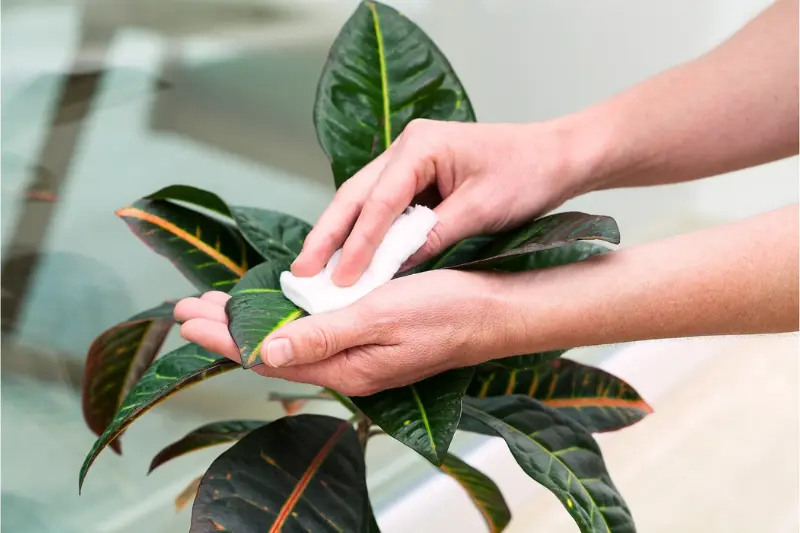
- Keep leaves clean.
- Water according to plant needs.
- Feed during active growth.
- Inspect for pests every week.
Consistency is the key to successful plant care.
Indoor vs Outdoor Plant Care
Although many care principles are similar, indoor and outdoor plants have different needs.
Indoor Plants
- Require controlled watering
- Often need higher humidity
- Receive filtered sunlight
- Need occasional leaf cleaning
Outdoor Plants
- Depend on weather conditions
- Require seasonal maintenance
- May need mulch
- Face greater exposure to pests and diseases
Understanding these differences helps you provide the best care.
Why Proper Plant Care Is Worth the Effort
Healthy plants provide lasting benefits.
Advantages include:
- Cleaner air
- Improved mental well-being
- Beautiful surroundings
- Better flowering
- Higher fruit and vegetable production
- Greater property appeal
Proper care ensures your plants remain healthy for many years.
Frequently Asked Questions
Why is a Plant Care Guide important?
A Plant Care Guide helps you understand the essential needs of different plants, avoid common mistakes, encourage healthy growth, prevent diseases and pests, and maintain beautiful indoor and outdoor plants throughout the year.
What is the most important part of plant care?
Proper watering, suitable sunlight, healthy soil, and regular maintenance are the foundations of successful plant care.
How often should I water my plants?
Watering depends on the plant type, soil, weather, and season. Always check the soil before watering rather than following a fixed schedule.
Why are my plant leaves turning yellow?
Yellow leaves may result from overwatering, underwatering, poor drainage, nutrient deficiencies, pests, or insufficient sunlight.
How often should plants be fertilized?
Most plants benefit from fertilizing every four to six weeks during the growing season, while many require little or no fertilizer during winter.
Conclusion
This Plant Care Guide provides everything you need to grow healthy, beautiful plants both indoors and outdoors. By understanding your plants’ needs for sunlight, water, soil, nutrients, and regular maintenance, you can prevent common problems and encourage steady growth throughout the year.
Whether you’re caring for decorative houseplants, flowering garden beds, herbs, or vegetables, applying the tips in this Plant Care Guide will help you build a thriving, healthy collection of plants. With patience, consistency, and proper care, your plants will reward you with vibrant foliage, colorful blooms, and long-lasting beauty.