


Buying furniture is one of the most important investments you can make for your home. The right furniture not only improves comfort but also enhances your home’s appearance and functionality. A well-planned Furniture Buying Guide helps you choose durable, stylish, and practical furniture that suits your lifestyle, space, and budget. Whether you’re furnishing a new home or replacing old pieces, making informed decisions ensures long-term satisfaction.
This comprehensive Furniture Buying Guide covers everything from selecting the right materials and measuring your space to understanding furniture styles, construction quality, and maintenance. By following these expert tips, you can avoid costly mistakes and create a comfortable home you’ll enjoy for years.
Why You Need a Furniture Buying Guide
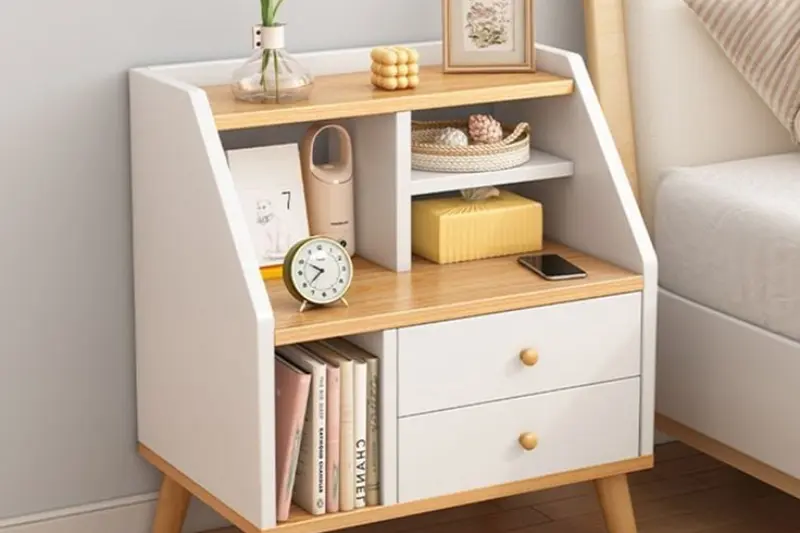
A professional Furniture Buying Guide helps you make smarter purchasing decisions.
Benefits include:
- Choose high-quality furniture
- Save money in the long run
- Improve home comfort
- Maximize available space
- Match your interior style
- Avoid costly buying mistakes
Careful planning ensures every furniture purchase adds value to your home.
Measure Your Space First
Before shopping, accurately measure your room.
Important measurements include:
- Room length
- Room width
- Ceiling height
- Doorways
- Hallways
- Staircases
Proper measurements prevent furniture from being too large or too small for your space.
Determine Your Budget
Setting a budget helps narrow your options.
Consider expenses for:
- Main furniture
- Delivery charges
- Assembly costs
- Accessories
- Maintenance products
A realistic budget keeps your shopping organized and prevents overspending.
Choose Your Interior Style
Your furniture should complement your home’s overall design.
Popular styles include:
- Modern
- Contemporary
- Minimalist
- Scandinavian
- Traditional
- Farmhouse
- Industrial
- Rustic
Following one consistent style creates a balanced interior.
You may also like these posts:
Indoor Plant Care: Complete Beginner’s Guide
Outdoor Plant Care: Complete Garden Guide
Plant Watering Tips for Healthy Growth
Plant Care Guide: Grow Healthy Plants Easily
Understand Furniture Materials
Material quality affects durability and appearance.
Solid Wood
Advantages:
- Extremely durable
- Long lifespan
- Timeless appearance
- Easy to refinish
Engineered Wood
Benefits:
- Affordable
- Lightweight
- Wide variety of finishes
Metal
Ideal for:
- Modern interiors
- Industrial designs
- Outdoor furniture
Glass
Perfect for:
- Small spaces
- Modern homes
- Elegant interiors
Understanding materials is a key part of every Furniture Buying Guide.
Prioritize Comfort
Furniture should feel as good as it looks.
Before purchasing:
- Test sofa cushions.
- Check chair support.
- Sit comfortably.
- Evaluate seat height.
- Examine armrest position.
Comfort should never be sacrificed for appearance.
Inspect Construction Quality
High-quality construction increases furniture lifespan.
Look for:
- Strong joints
- Smooth finishes
- Solid frames
- Durable hardware
- Stable legs
- Even stitching
Quality craftsmanship makes furniture more reliable.
Choose Functional Furniture
Modern homes benefit from multifunctional pieces.
Examples include:
- Sofa beds
- Storage ottomans
- Extendable dining tables
- Lift-top coffee tables
- Beds with storage drawers
Functional furniture maximizes available space.
Select the Right Upholstery
Fabric choice affects durability and maintenance.
Popular upholstery materials include:
- Cotton
- Linen
- Leather
- Velvet
- Polyester
- Microfiber
Choose materials based on your household’s needs and lifestyle.
Consider Room Size
Furniture should match the room’s proportions.
For small rooms:
- Compact sofas
- Round tables
- Wall-mounted shelves
- Foldable furniture
For larger rooms:
- Sectional sofas
- Large dining tables
- Accent chairs
- Console tables
Proper sizing is essential in every Furniture Buying Guide.
Check Storage Options
Furniture with built-in storage increases organization.
Popular choices include:
- Storage beds
- TV units
- Cabinets
- Bookcases
- Sideboards
- Storage benches
Hidden storage reduces clutter while saving space.
Match Furniture Colors
Choose colors that complement your home.
Popular choices include:
- White
- Beige
- Gray
- Black
- Natural wood
- Earth tones
Neutral colors remain stylish for many years.
Test Before Buying
Whenever possible:
- Sit on sofas.
- Open drawers.
- Check cabinet doors.
- Test reclining mechanisms.
- Inspect table stability.
Testing furniture helps avoid future disappointment.
Consider Maintenance
Different materials require different care.
Maintenance tips:
- Dust regularly.
- Clean spills immediately.
- Polish wooden furniture.
- Protect surfaces from sunlight.
- Use furniture pads.
Easy-to-maintain furniture saves time and effort.
Shop from Reputable Retailers
Choose trusted furniture sellers that offer:
- Product warranties
- Quality guarantees
- Customer support
- Flexible return policies
- Reliable delivery
Buying from reputable stores reduces purchasing risks.
Common Furniture Buying Mistakes
Avoid these mistakes:
- Buying without measuring
- Ignoring comfort
- Choosing style over quality
- Forgetting maintenance needs
- Purchasing oversized furniture
- Ignoring warranty information
Careful planning leads to better long-term satisfaction.
Furniture Buying Trends
Current furniture trends include:
- Sustainable materials
- Modular furniture
- Minimalist designs
- Natural wood finishes
- Smart furniture
- Multifunctional pieces
- Eco-friendly manufacturing
These trends combine functionality with modern aesthetics.
Benefits of Buying Quality Furniture
Investing in quality furniture offers many long-term advantages.
Benefits include:
- Greater comfort
- Longer lifespan
- Better appearance
- Higher resale value
- Improved functionality
- Reduced replacement costs
Following a reliable Furniture Buying Guide helps you invest wisely and create a home you’ll enjoy for many years.
Buying furniture is one of the most important investments you can make for your home. The right furniture not only improves comfort but also enhances your home’s appearance and functionality. A well-planned Furniture Buying Guide helps you choose durable, stylish, and practical furniture that suits your lifestyle, space, and budget. Whether you’re furnishing a new home or replacing old pieces, making informed decisions ensures long-term satisfaction.
This comprehensive Furniture Buying Guide covers everything from selecting the right materials and measuring your space to understanding furniture styles, construction quality, and maintenance. By following these expert tips, you can avoid costly mistakes and create a comfortable home you’ll enjoy for years.
Why You Need a Furniture Buying Guide
A professional Furniture Buying Guide helps you make smarter purchasing decisions.
Benefits include:
- Choose high-quality furniture
- Save money in the long run
- Improve home comfort
- Maximize available space
- Match your interior style
- Avoid costly buying mistakes
Careful planning ensures every furniture purchase adds value to your home.
Measure Your Space First
Before shopping, accurately measure your room.
Important measurements include:
- Room length
- Room width
- Ceiling height
- Doorways
- Hallways
- Staircases
Proper measurements prevent furniture from being too large or too small for your space.
Determine Your Budget
Setting a budget helps narrow your options.
Consider expenses for:
- Main furniture
- Delivery charges
- Assembly costs
- Accessories
- Maintenance products
A realistic budget keeps your shopping organized and prevents overspending.
Choose Your Interior Style
Your furniture should complement your home’s overall design.
Popular styles include:
- Modern
- Contemporary
- Minimalist
- Scandinavian
- Traditional
- Farmhouse
- Industrial
- Rustic
Following one consistent style creates a balanced interior.
Understand Furniture Materials
Material quality affects durability and appearance.
Solid Wood
Advantages:
- Extremely durable
- Long lifespan
- Timeless appearance
- Easy to refinish
Engineered Wood
Benefits:
- Affordable
- Lightweight
- Wide variety of finishes
Metal
Ideal for:
- Modern interiors
- Industrial designs
- Outdoor furniture
Glass
Perfect for:
- Small spaces
- Modern homes
- Elegant interiors
Understanding materials is a key part of every Furniture Buying Guide.
Prioritize Comfort
Furniture should feel as good as it looks.
Before purchasing:
- Test sofa cushions.
- Check chair support.
- Sit comfortably.
- Evaluate seat height.
- Examine armrest position.
Comfort should never be sacrificed for appearance.
Inspect Construction Quality
High-quality construction increases furniture lifespan.
Look for:
- Strong joints
- Smooth finishes
- Solid frames
- Durable hardware
- Stable legs
- Even stitching
Quality craftsmanship makes furniture more reliable.
Choose Functional Furniture
Modern homes benefit from multifunctional pieces.
Examples include:
- Sofa beds
- Storage ottomans
- Extendable dining tables
- Lift-top coffee tables
- Beds with storage drawers
Functional furniture maximizes available space.
Select the Right Upholstery
Fabric choice affects durability and maintenance.
Popular upholstery materials include:
- Cotton
- Linen
- Leather
- Velvet
- Polyester
- Microfiber
Choose materials based on your household’s needs and lifestyle.
Consider Room Size
Furniture should match the room’s proportions.
For small rooms:
- Compact sofas
- Round tables
- Wall-mounted shelves
- Foldable furniture
For larger rooms:
- Sectional sofas
- Large dining tables
- Accent chairs
- Console tables
Proper sizing is essential in every Furniture Buying Guide.
Check Storage Options
Furniture with built-in storage increases organization.
Popular choices include:
- Storage beds
- TV units
- Cabinets
- Bookcases
- Sideboards
- Storage benches
Hidden storage reduces clutter while saving space.
Match Furniture Colors
Choose colors that complement your home.
Popular choices include:
- White
- Beige
- Gray
- Black
- Natural wood
- Earth tones
Neutral colors remain stylish for many years.
Test Before Buying
Whenever possible:
- Sit on sofas.
- Open drawers.
- Check cabinet doors.
- Test reclining mechanisms.
- Inspect table stability.
Testing furniture helps avoid future disappointment.
Consider Maintenance
Different materials require different care.
Maintenance tips:
- Dust regularly.
- Clean spills immediately.
- Polish wooden furniture.
- Protect surfaces from sunlight.
- Use furniture pads.
Easy-to-maintain furniture saves time and effort.
Shop from Reputable Retailers
Choose trusted furniture sellers that offer:
- Product warranties
- Quality guarantees
- Customer support
- Flexible return policies
- Reliable delivery
Buying from reputable stores reduces purchasing risks.
Common Furniture Buying Mistakes
Avoid these mistakes:
- Buying without measuring
- Ignoring comfort
- Choosing style over quality
- Forgetting maintenance needs
- Purchasing oversized furniture
- Ignoring warranty information
Careful planning leads to better long-term satisfaction.
Furniture Buying Trends
Current furniture trends include:
- Sustainable materials
- Modular furniture
- Minimalist designs
- Natural wood finishes
- Smart furniture
- Multifunctional pieces
- Eco-friendly manufacturing
These trends combine functionality with modern aesthetics.
Benefits of Buying Quality Furniture
Investing in quality furniture offers many long-term advantages.
Benefits include:
- Greater comfort
- Longer lifespan
- Better appearance
- Higher resale value
- Improved functionality
- Reduced replacement costs
Following a reliable Furniture Buying Guide helps you invest wisely and create a home you’ll enjoy for many years.
Frequently Asked Questions
What should I consider before buying furniture?
Measure your space, set a budget, choose your preferred style, inspect material quality, test comfort, and consider maintenance requirements before purchasing.
Which furniture material is the most durable?
Solid wood is one of the most durable materials, while metal also offers excellent strength and longevity. The best choice depends on your needs and interior style.
How do I choose furniture for a small home?
Select multifunctional furniture, compact designs, built-in storage, and light-colored finishes to maximize available space without overcrowding the room.
Is expensive furniture always better?
Not always. Focus on construction quality, materials, comfort, and warranty rather than price alone. Well-made mid-range furniture can offer excellent value.
5. Why is a Furniture Buying Guide important?
A Furniture Buying Guide helps you choose durable, comfortable, and stylish furniture by understanding materials, measuring your space, comparing quality, avoiding common buying mistakes, maximizing functionality, and making smart long-term investments for your home.
Conclusion
A complete Furniture Buying Guide helps you choose furniture that balances comfort, quality, durability, and style. By measuring your space, selecting the right materials, testing furniture before purchasing, and choosing trusted retailers, you can avoid common buying mistakes and make confident decisions.
Whether you’re furnishing your first apartment or upgrading your family home, this Furniture Buying Guide provides practical advice for every room and budget. Thoughtful planning and quality purchases will ensure your furniture remains functional, comfortable, and stylish for years to come.