
Buying plants is an exciting way to add beauty, freshness, and life to your home or garden. However, choosing the right plants requires more than selecting the ones with the prettiest flowers or leaves. A good Plant Buying Guide helps you understand how to choose healthy plants, match them to your environment, and care for them properly after purchase. Whether you’re buying indoor plants, outdoor plants, flowering plants, or succulents, making informed decisions will save you time and money.
Following a reliable Plant Buying Guide ensures your plants stay healthy and thrive for years. From checking plant health and understanding sunlight requirements to selecting the right pots and soil, every detail matters. This comprehensive guide covers everything beginners and experienced gardeners need to know before purchasing plants.
Why You Need a Plant Buying Guide
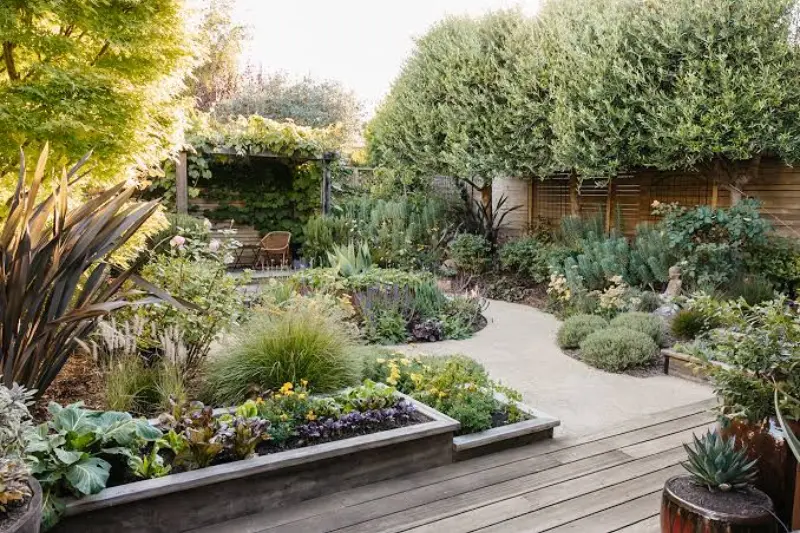
A proper Plant Buying Guide helps you avoid costly mistakes and choose plants that suit your home and lifestyle.
Benefits include:
- Choose healthy plants
- Save money on replacements
- Improve plant survival
- Select the right plant for your space
- Reduce maintenance problems
- Create a beautiful indoor or outdoor garden
Making informed choices leads to healthier and longer-lasting plants.
Decide Where the Plant Will Grow
Before purchasing, determine where your plant will be placed.
Common locations include:
- Living room
- Bedroom
- Kitchen
- Balcony
- Patio
- Garden
- Office
Understanding your space is the first step in any Plant Buying Guide.
Know Your Light Conditions
Different plants require different amounts of sunlight.
Full Sun Plants
These need 6–8 hours of direct sunlight.
Examples:
- Roses
- Lavender
- Hibiscus
- Bougainvillea
Partial Shade Plants
These prefer filtered sunlight.
Examples:
- Hydrangeas
- Begonias
- Coleus
Low-Light Plants
Ideal for indoor spaces.
Examples:
- Snake Plant
- ZZ Plant
- Peace Lily
- Pothos
Always match the plant to your home’s lighting conditions.
You may also like these posts:
Easy Plant Care: A Beginner’s Complete Guide
Small Garden Ideas for Beautiful Outdoor Spaces
Backyard Garden Ideas for Every Home
DIY Garden Ideas for Beautiful Outdoor Spaces
Inspect Plant Health Carefully
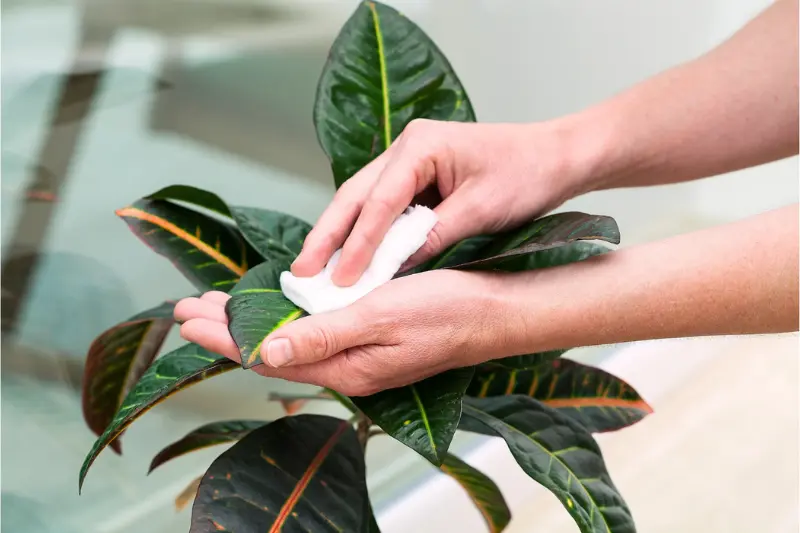
Never buy a plant without checking its condition.
Look for:
- Bright green leaves
- Strong stems
- Healthy roots
- New growth
- Firm branches
Avoid plants with:
- Yellow leaves
- Brown leaf edges
- Wilted foliage
- Mold
- Insects
- Broken stems
Healthy plants are the foundation of every successful Plant Buying Guide.
Check the Roots
Healthy roots indicate a healthy plant.
Signs of good roots include:
- White or light brown color
- Firm texture
- No foul smell
- Even growth
Avoid root-bound plants with roots circling tightly around the pot.
Choose the Right Plant Size
Select a plant that fits your available space.
Consider:
- Mature height
- Mature width
- Pot size
- Indoor or outdoor placement
- Future growth
Buying the correct size prevents overcrowding later.
Understand Water Requirements
Different plants have different watering needs.
Examples:
- Succulents need minimal watering.
- Ferns prefer consistently moist soil.
- Tropical plants enjoy moderate watering.
- Cacti require infrequent watering.
Knowing watering needs is an important part of a Plant Buying Guide.
Select the Right Pot
The container affects plant health.
Look for pots with:
- Drainage holes
- Appropriate size
- Durable material
- Good airflow
Popular pot materials include:
- Clay
- Ceramic
- Plastic
- Concrete
- Fiberglass
Check the Soil
Healthy soil supports strong growth.
Good soil should be:
- Moist but not soggy
- Well-draining
- Free from mold
- Rich in nutrients
Avoid plants sitting in waterlogged soil.
Buy Plants in the Right Season
Seasonal buying improves plant survival.
General guidelines:
Spring
Best for most flowering plants and vegetables.
Summer
Ideal for tropical plants.
Autumn
Suitable for shrubs and trees.
Winter
Best for many indoor plants.
Following seasonal advice makes your Plant Buying Guide more effective.
Choose Low-Maintenance Plants
Beginners should select easy-care varieties.
Recommended plants include:
- Snake Plant
- Pothos
- ZZ Plant
- Spider Plant
- Aloe Vera
- Jade Plant
These plants require minimal attention while remaining attractive.
Consider Air-Purifying Plants
Some plants improve indoor air quality.
Popular options include:
- Peace Lily
- Snake Plant
- Spider Plant
- Bamboo Palm
- Rubber Plant
These plants add beauty while creating a healthier indoor environment.
Buy from Reputable Sellers
Purchase plants from trusted sources.
Good options include:
- Local nurseries
- Garden centers
- Certified online plant stores
- Botanical gardens
- Specialty plant shops
Healthy plants are more likely to come from reputable sellers.
Budget Wisely
Set a realistic budget before shopping.
Consider costs for:
- Plants
- Pots
- Potting soil
- Fertilizer
- Gardening tools
- Plant food
Buying quality plants often saves money in the long run.
Common Plant Buying Mistakes
Avoid these common mistakes:
- Buying unhealthy plants
- Ignoring sunlight requirements
- Choosing oversized plants
- Forgetting drainage
- Purchasing without measuring space
- Buying difficult plants as a beginner
Careful planning helps prevent disappointment.
Essential Accessories to Buy
Along with your plants, consider purchasing:
- Watering can
- Potting mix
- Pruning shears
- Plant fertilizer
- Spray bottle
- Moisture meter
- Decorative pots
These tools make plant care easier.
Benefits of Buying the Right Plants
Choosing wisely offers many long-term rewards.
Benefits include:
- Healthier plants
- Less maintenance
- Better home décor
- Improved air quality
- Beautiful gardens
- Greater gardening success
Using a proper Plant Buying Guide helps you enjoy your plants for many years.
Frequently Asked Questions
What should I check before buying a plant?
Check the leaves, stems, roots, soil, and overall health. Avoid plants with yellow leaves, pests, mold, or damaged roots.
Which plants are best for beginners?
Snake Plant, Pothos, ZZ Plant, Spider Plant, Aloe Vera, and Peace Lily are excellent beginner-friendly plants because they require minimal maintenance.
How do I know if a plant will grow well in my home?
Consider your available sunlight, indoor temperature, humidity, and the plant’s care requirements before making a purchase.
Is it better to buy plants from a nursery or a supermarket?
Local nurseries and reputable garden centers usually offer healthier plants, expert advice, and a wider variety than supermarkets.
5. Why is a Plant Buying Guide important?
A Plant Buying Guide helps you choose healthy plants, match them to your environment, avoid common buying mistakes, improve plant survival, save money, and create a beautiful indoor or outdoor garden with confidence.
Conclusion
A reliable Plant Buying Guide helps you choose healthy, beautiful plants that suit your lifestyle, home, and gardening experience. By checking plant health, understanding light and water needs, selecting the right containers, and purchasing from trusted sellers, you can build a thriving indoor or outdoor garden with confidence.
Whether you’re buying your first houseplant or expanding a large landscape, these Plant Buying Guide tips will help you make informed decisions and avoid common mistakes. With careful planning and proper care, your plants will reward you with lasting beauty and healthier living spaces.