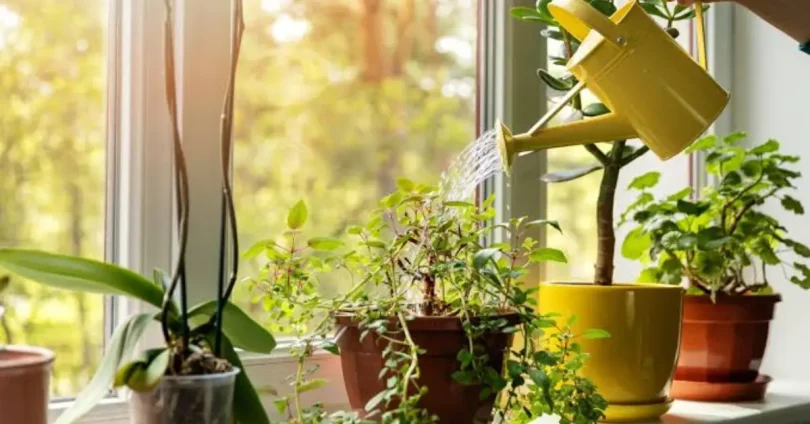

Indoor plants do more than decorate your home—they improve air quality, reduce stress, and create a refreshing, natural environment. Whether you own a single succulent or a collection of tropical plants, proper Indoor Plant Care is essential for keeping them healthy and thriving. Understanding the basic needs of your houseplants helps prevent common problems like yellow leaves, root rot, and slow growth.
Many beginners believe indoor plants require constant attention, but most houseplants simply need the right balance of light, water, humidity, and nutrients. By following the principles of Indoor Plant Care, you can enjoy vibrant greenery that enhances your living space for years.
This comprehensive guide covers everything you need to know about caring for indoor plants, from choosing the right location to watering schedules, fertilizing, repotting, and solving common plant problems.
Why Indoor Plants Are Beneficial
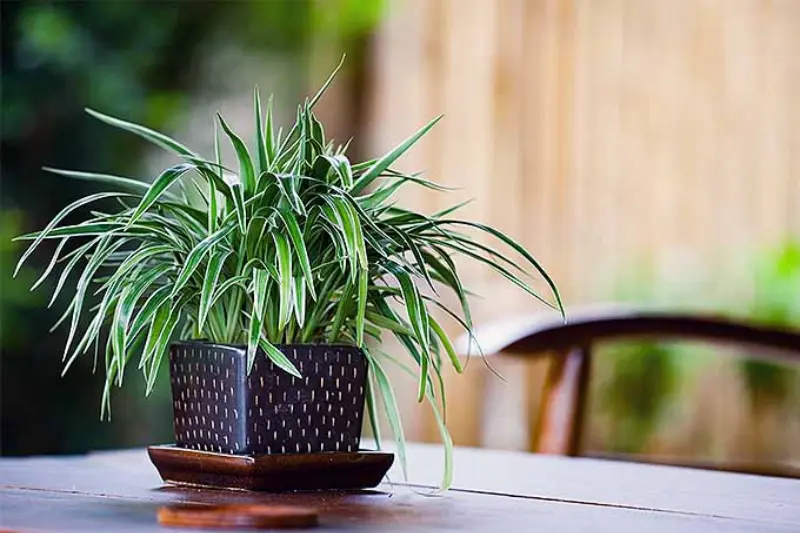
Indoor plants offer both aesthetic and health benefits.
Some advantages include:
- Improve indoor air quality
- Add natural beauty to your home
- Reduce stress and anxiety
- Increase humidity indoors
- Boost productivity and focus
- Create a calming atmosphere
Practicing proper Indoor Plant Care helps maximize these benefits while keeping your plants healthy.
You may also like these posts:
Easy Plant Care: A Beginner’s Complete Guide
Small Garden Ideas for Beautiful Outdoor Spaces
Backyard Garden Ideas for Every Home
DIY Garden Ideas for Beautiful Outdoor Spaces
Choosing the Right Indoor Plants
Selecting plants that match your experience level and home environment is the first step.
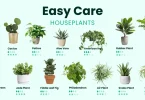
Beginner-friendly indoor plants include:
- Snake Plant
- Pothos
- Spider Plant
- ZZ Plant
- Peace Lily
- Aloe Vera
- Rubber Plant
- Chinese Evergreen
These plants are relatively easy to maintain and tolerate minor care mistakes.
Understanding Light Requirements
Light is one of the most important factors in Indoor Plant Care.
Bright Direct Light
Plants that enjoy direct sunlight include:
- Succulents
- Cacti
- Aloe Vera
Place them near south-facing windows where they receive several hours of direct sun.
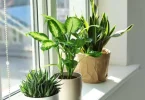
Bright Indirect Light
Ideal for:
- Monstera
- Philodendron
- Peace Lily
- Pothos
Filtered sunlight helps prevent leaf burn.
Low Light
Suitable plants include:
- Snake Plant
- ZZ Plant
- Cast Iron Plant
These plants survive in rooms with limited natural light.
Watering Your Indoor Plants
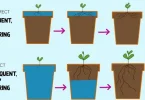
Overwatering is the most common mistake in Indoor Plant Care.
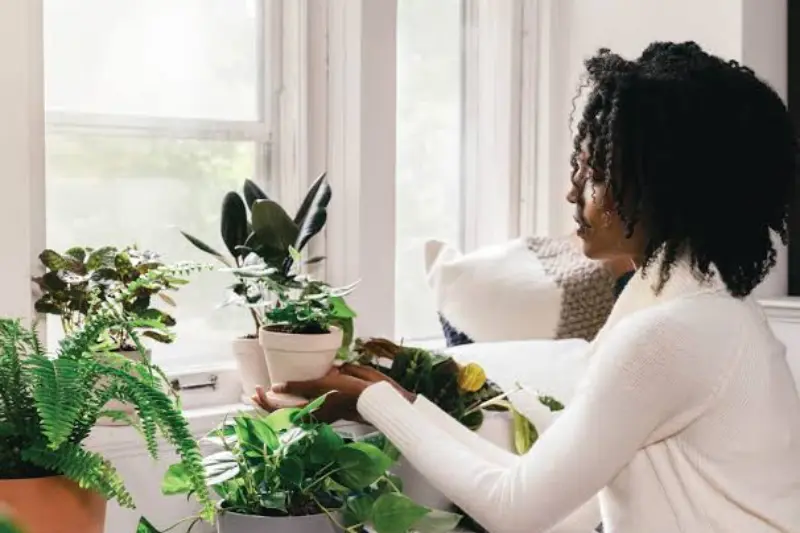
Helpful watering tips:
- Check the soil before watering.
- Water only when the top inch of soil feels dry.
- Empty excess water from drainage trays.
- Reduce watering during winter.
- Use room-temperature water whenever possible.
Different plants have different watering needs, so avoid using the same schedule for every plant.
Choosing the Right Soil
Healthy roots depend on quality soil.
Common soil types include:
Potting Mix
Suitable for most houseplants.
Succulent Mix
Provides excellent drainage for cacti and succulents.
Orchid Mix
Designed for orchids with improved airflow around roots.
Using the correct soil helps prevent root rot and supports healthy growth.
Selecting the Right Pot
A proper pot is essential for successful Indoor Plant Care.
Choose pots with:
- Drainage holes
- Appropriate size
- Durable materials
- Stable base
Popular pot materials include:
- Clay
- Ceramic
- Plastic
- Terracotta
Always ensure excess water can drain away.
Maintain Proper Humidity
Many tropical houseplants prefer moderate to high humidity.
Ways to increase humidity include:
- Using a humidifier
- Grouping plants together
- Placing water trays nearby
- Misting humidity-loving plants occasionally
Avoid excessive misting if it encourages fungal growth.
Fertilizing Indoor Plants
Plants need nutrients to grow.
During the growing season:
- Fertilize every 4–6 weeks.
- Use a balanced liquid fertilizer.
- Follow the manufacturer’s instructions.
- Reduce feeding during winter.
Too much fertilizer can damage roots and leaves.
Pruning and Trimming
Regular pruning keeps plants healthy.
Benefits include:
- Encourages new growth
- Removes dead leaves
- Improves appearance
- Prevents disease spread
Use clean, sharp scissors or pruning shears.
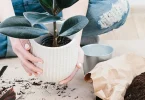
Repotting Your Plants
As plants grow, they may outgrow their containers.
Signs it’s time to repot include:
- Roots growing through drainage holes
- Soil drying very quickly
- Slowed growth
- Root-bound appearance
Repot into a container only slightly larger than the current one.
Cleaning Plant Leaves
Dust blocks sunlight and reduces photosynthesis.
Clean leaves by:
- Wiping with a damp microfiber cloth
- Supporting large leaves while cleaning
- Avoiding harsh cleaning products
Healthy leaves absorb more light and look more attractive.
Common Indoor Plant Problems
Even with proper Indoor Plant Care, problems may occasionally occur.
Yellow Leaves
Possible causes:
- Overwatering
- Poor drainage
- Lack of nutrients
Brown Leaf Tips
Often caused by:
- Low humidity
- Underwatering
- Salt buildup
Drooping Leaves
May indicate:
- Water stress
- Temperature changes
- Root problems
Slow Growth
Possible reasons include:
- Insufficient light
- Poor nutrition
- Root-bound plants
Identifying problems early improves recovery.
Preventing Pests
Indoor plants can attract pests such as:
- Spider mites
- Mealybugs
- Aphids
- Fungus gnats
- Scale insects
Prevent infestations by:
- Inspecting new plants
- Cleaning leaves regularly
- Avoiding overwatering
- Isolating infected plants
Natural insecticidal soap or neem oil can help manage many common pests.
Temperature Requirements
Most indoor plants prefer temperatures between:
- 65°F and 80°F (18°C–27°C)
Avoid placing plants near:
- Heating vents
- Air conditioners
- Drafty windows
- Fireplaces
Sudden temperature changes can stress plants.
Seasonal Indoor Plant Care
Spring
- Resume fertilizing.
- Increase watering gradually.
- Repot if needed.
Summer
- Monitor watering more frequently.
- Protect plants from harsh afternoon sunlight.
Autumn
- Reduce fertilizer.
- Begin decreasing watering.
Winter
- Water less often.
- Keep plants away from cold drafts.
- Increase humidity if indoor air becomes dry.
Adjusting care throughout the year keeps plants healthy.
Essential Indoor Plant Care Tools
Every plant owner should have:
- Watering can
- Pruning shears
- Spray bottle
- Moisture meter
- Gardening gloves
- Plant fertilizer
- Soft cloth for cleaning leaves
These tools make maintenance easier and more effective.
Common Indoor Plant Care Mistakes
Avoid these common mistakes:
- Overwatering plants.
- Ignoring drainage.
- Using the wrong soil.
- Placing plants in incorrect lighting.
- Over-fertilizing.
- Forgetting to inspect for pests.
- Repotting into oversized containers.
Small changes in routine can greatly improve plant health.
Tips for Healthy Indoor Plants
Follow these simple habits:
- Rotate plants every few weeks for even growth.
- Remove dead leaves promptly.
- Keep leaves clean.
- Water according to each plant’s needs.
- Learn your plant’s light requirements.
- Inspect regularly for signs of pests or disease.
Consistency is the secret to successful Indoor Plant Care.
Frequently Asked Questions
How often should I water indoor plants?
Most indoor plants should be watered when the top inch of soil feels dry, but watering frequency depends on the plant type, season, and environment.
What is the best light for indoor plants?
Bright, indirect light is ideal for many common houseplants, while succulents and cacti prefer direct sunlight.
Why are my indoor plant leaves turning yellow?
Yellow leaves are often caused by overwatering, poor drainage, nutrient deficiencies, or insufficient light.
How often should I fertilize indoor plants?
Most indoor plants benefit from fertilizing every 4–6 weeks during the growing season and little to no fertilizer during winter.
5. Why is Indoor Plant Care important?
Proper Indoor Plant Care keeps houseplants healthy, encourages steady growth, prevents common problems, improves indoor air quality, and allows you to enjoy beautiful greenery all year long.
Conclusion
Proper Indoor Plant Care doesn’t have to be complicated. By understanding your plants’ needs for light, water, humidity, soil, and nutrition, you can enjoy lush, healthy houseplants that brighten your home and improve your well-being. Regular observation, gentle maintenance, and seasonal adjustments will help your indoor garden thrive throughout the year.
Whether you’re caring for one small succulent or an entire collection of tropical plants, applying these simple techniques will keep your plants healthy, beautiful, and growing for years to come.