
Indoor plants are one of the easiest ways to bring life, beauty, and freshness into your home. Besides enhancing your décor, houseplants improve air quality, reduce stress, and create a relaxing atmosphere. A complete Indoor Plant Guide helps you choose the right plants, understand their care requirements, and keep them healthy for years. Whether you’re a beginner or an experienced plant lover, proper care makes all the difference.
This comprehensive Indoor Plant Guide covers everything from selecting the best indoor plants to watering, lighting, humidity, soil, fertilizers, and common problem-solving tips. By following these practical recommendations, you can enjoy thriving indoor plants that brighten every room in your home.
Why Follow an Indoor Plant Guide?
A reliable Indoor Plant Guide helps you avoid common mistakes and grow healthier plants.
Benefits include:
- Improves indoor air quality
- Enhances home décor
- Reduces stress
- Creates a calming environment
- Increases humidity indoors
- Makes plant care easier
Learning proper plant care ensures long-lasting and beautiful houseplants.
Choose the Right Indoor Plants
Select plants based on your home’s lighting and maintenance needs.
Popular indoor plants include:
- Snake Plant
- Pothos
- Peace Lily
- ZZ Plant
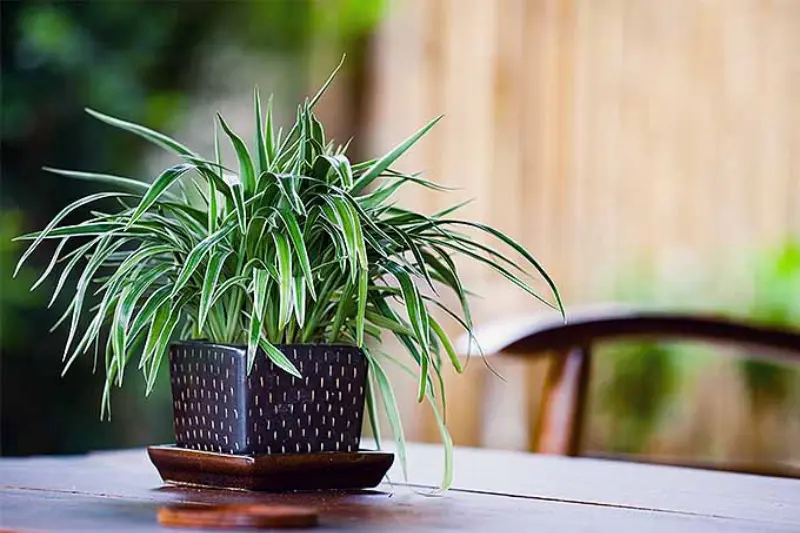
- Spider Plant
- Monstera
- Rubber Plant
- Chinese Evergreen
These plants are attractive, low-maintenance, and suitable for most homes.
Understand Light Requirements
Light is one of the most important factors in plant growth.
Bright Indirect Light
Ideal for:
- Monstera
- Fiddle Leaf Fig
- Rubber Plant
Medium Light
Suitable for:
- Peace Lily
- Chinese Evergreen
- Philodendron
Low Light
Perfect for:
- Snake Plant
- ZZ Plant
- Pothos
- Cast Iron Plant
Matching plants to available light is an essential part of every Indoor Plant Guide.
Water Your Plants Properly
Overwatering is the most common reason indoor plants die.
Helpful watering tips:
- Check soil before watering.
- Water only when the top inch feels dry.
- Empty drainage trays.
- Avoid leaving roots in standing water.
- Reduce watering during winter.
Different plants have different watering needs, so always research each species.
You may also like these posts:
Indoor Plant Care: Complete Beginner’s Guide
Outdoor Plant Care: Complete Garden Guide
Plant Watering Tips for Healthy Growth
Plant Care Guide: Grow Healthy Plants Easily
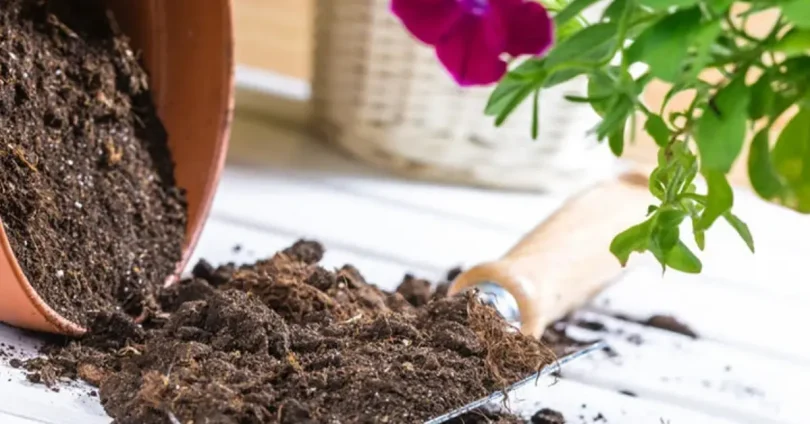
Choose Well-Draining Soil
Healthy roots require proper soil.
Good potting mix should:
- Drain excess water
- Hold enough moisture
- Provide nutrients
- Allow airflow around roots
Use high-quality indoor potting mix for best results.
Select the Right Pot
Choosing the correct container supports healthy growth.
Look for pots with:
- Drainage holes
- Appropriate size
- Durable materials
- Good airflow
Popular pot materials include:
- Ceramic
- Clay
- Plastic
- Fiberglass
A proper pot is a key recommendation in every Indoor Plant Guide.
Maintain Proper Humidity
Many indoor plants prefer moderate humidity.
Ways to increase humidity:
- Use a humidifier.
- Group plants together.
- Place trays filled with pebbles and water nearby.
- Mist humidity-loving plants occasionally.
Tropical plants benefit the most from increased humidity.
Keep the Right Temperature
Most indoor plants grow well between:
- 65°F and 80°F (18°C–27°C)
Avoid placing plants near:
- Air conditioners
- Heating vents
- Drafty windows
- Fireplaces
Stable temperatures help plants thrive.
Fertilize Regularly
Plants need nutrients for healthy growth.
General guidelines:
- Fertilize during spring and summer.
- Reduce feeding during winter.
- Follow product instructions carefully.
- Avoid over-fertilizing.
Balanced fertilizers encourage lush foliage and stronger roots.
Clean Plant Leaves
Dust prevents leaves from absorbing enough light.
Cleaning tips:
- Wipe leaves with a damp cloth.
- Remove dead leaves.
- Inspect plants weekly.
- Keep foliage clean for better photosynthesis.
Healthy leaves improve overall plant growth.
Repot When Necessary
Plants eventually outgrow their containers.
Signs it’s time to repot:
- Roots growing through drainage holes
- Slow growth
- Water draining too quickly
- Root-bound soil
Repot every one to three years depending on plant growth.
Watch for Common Pests
Indoor plants may attract pests.
Common pests include:
- Spider mites
- Mealybugs
- Aphids
- Fungus gnats
- Scale insects
Inspect your plants regularly and treat infestations early.
Common Indoor Plant Problems
Watch for these warning signs:
Yellow Leaves
Possible causes:
- Overwatering
- Poor drainage
- Lack of nutrients
Brown Leaf Tips
Possible causes:
- Low humidity
- Underwatering
- Excess fertilizer
Drooping Leaves
Possible causes:
- Water stress
- Temperature changes
- Root problems
Following an Indoor Plant Guide helps you diagnose and solve these issues quickly.
Best Rooms for Indoor Plants
Different rooms offer different growing conditions.
Living Room
Ideal for:
- Monstera
- Rubber Plant
- Snake Plant
Bedroom
Best choices:
- Peace Lily
- Snake Plant
- Aloe Vera
Bathroom
Perfect for:
- Ferns
- Orchids
- Bamboo
Office
Good options:
- ZZ Plant
- Pothos
- Spider Plant
Choose plants based on available light and humidity.
Beginner-Friendly Indoor Plants
If you’re new to gardening, start with:
- Snake Plant
- Pothos
- ZZ Plant
- Spider Plant
- Aloe Vera
- Jade Plant
These varieties require minimal maintenance.
Common Indoor Plant Care Mistakes
Avoid these common mistakes:
- Overwatering
- Using pots without drainage
- Ignoring lighting needs
- Over-fertilizing
- Forgetting to clean leaves
- Placing plants near heat sources
Simple care routines lead to healthier plants.
Benefits of Indoor Plants
Healthy indoor plants provide many advantages.
Benefits include:
- Cleaner indoor air
- Better mental well-being
- Reduced stress
- Improved home appearance
- Higher humidity
- Increased productivity
A good Indoor Plant Guide helps you enjoy all these benefits while keeping your plants healthy.
Frequently Asked Questions
What are the easiest indoor plants for beginners?
Snake Plant, Pothos, ZZ Plant, Spider Plant, Aloe Vera, and Peace Lily are among the easiest indoor plants to grow because they require minimal maintenance.
How often should I water indoor plants?
Most indoor plants should be watered when the top inch of soil feels dry. The exact frequency depends on the plant type, season, humidity, and light conditions.
Which indoor plants need low light?
Snake Plant, ZZ Plant, Pothos, Cast Iron Plant, and Chinese Evergreen grow well in low-light environments.
Why are my indoor plant leaves turning yellow?
Yellow leaves are commonly caused by overwatering, poor drainage, lack of nutrients, or insufficient light. Checking soil moisture is the first step in diagnosing the issue.
5. Why is an Indoor Plant Guide important?
An Indoor Plant Guide helps you choose suitable houseplants, understand their light and watering needs, prevent common care mistakes, improve plant health, enhance indoor air quality, and create a beautiful, thriving indoor garden that lasts for years.
Conclusion
A complete Indoor Plant Guide makes growing beautiful houseplants simple and enjoyable. By selecting the right plants, providing proper light, watering correctly, maintaining humidity, and preventing common problems, you can create a thriving indoor garden that enhances your home all year long.
Whether you’re caring for your first Snake Plant or building an impressive indoor collection, following this Indoor Plant Guide will help you develop healthy, long-lasting plants that improve your living space and bring natural beauty indoors.